
Rest, Burnout & Recovery
Burnout is not simply about being tired. It is a state your nervous system moves into after carrying prolonged stress, pressure, or overwhelm without enough time or support to recover.
Over time, your system begins to lose its sense of balance. What once felt manageable can start to feel heavy, draining, or difficult to sustain. Energy may fluctuate, motivation may decrease, and even small tasks can begin to require more effort than they once did. This shift does not happen all at once. It builds gradually, often going unnoticed until your system reaches a point where it can no longer continue in the same way.
This is not a reflection of your capability or resilience. It is a reflection of how much your system has been holding without the space it needs to restore itself.
🌿 What Burnout Really Is
Burnout is a form of nervous system exhaustion that develops when your system has been activated or under pressure for extended periods without adequate recovery.
Your body is designed to move between states of activation and rest. When that rhythm is disrupted and your system remains in a prolonged state of stress, it begins to compensate by conserving energy. Over time, this can lead to a sense of depletion that is not resolved by simply resting for a short period.
This state can affect how you think, feel, and respond. It may become harder to focus, harder to feel engaged, or harder to access the same level of energy you once had. Burnout is not something you can push through indefinitely. It is your body’s way of signaling that it has reached its current capacity.
🌿 How Burnout Shows Up
Burnout can show up in ways that are both subtle and intense, and it does not always look the same from one person to another.
You might notice a persistent sense of fatigue that does not fully improve with rest, or a feeling that your energy is inconsistent and difficult to rely on. Tasks that once felt simple may now feel overwhelming or require more effort than expected. There may also be emotional changes, such as irritability, detachment, or a sense of numbness that makes it harder to feel connected to what you are doing.
For some, burnout feels like being stuck in a constant state of pressure or urgency. For others, it feels like a gradual shutdown, where motivation decreases and everything begins to feel more distant. Both experiences reflect the nervous system attempting to cope with prolonged strain in different ways.
🌿 Why Rest Can Feel Difficult
Rest is often seen as the solution to burnout, but when your nervous system has adapted to prolonged stress, rest does not always feel accessible or natural.
You may find that when you try to slow down, your mind becomes more active or your body feels restless. There can be an underlying discomfort in stillness, or a sense that you should be doing something instead of pausing. In some cases, even when you are physically resting, your system may not fully settle.
This happens because your nervous system has learned to operate in a state of ongoing activation. Slowing down can feel unfamiliar, and unfamiliar states are not always immediately experienced as safe. Rest, in this context, becomes something your system has to relearn, rather than something that happens automatically.
🌿 What Real Rest Means
Rest is not only the absence of activity. It is a state in which your nervous system is able to shift out of constant demand and begin recovering.
This can include physical rest, but it also involves mental and emotional space. Real rest allows your system to reduce stimulation, soften patterns of tension, and move out of survival-based responses. It may look like quiet moments, reduced input, or giving yourself permission to pause without immediately filling that space.
Different forms of rest may be needed at different times. Sometimes your body needs stillness. Other times it may need gentle movement or a change in environment. What matters is whether your system is able to experience a reduction in pressure and a sense of support.
🌿 Recovery Takes Time
Recovery from burnout is not immediate, because the state itself did not develop all at once.
Your system needs time to rebuild energy, restore balance, and shift out of patterns that have been reinforced over time. This process often happens gradually, through small changes rather than sudden shifts. There may be periods where you feel improvement, followed by moments where your energy dips again. This is part of how the system recalibrates.
Trying to rush recovery can place additional pressure on a system that is already depleted. What supports recovery is consistency, patience, and allowing your system to move at a pace that it can sustain.
🌿 A Different Way to Approach It
Instead of asking how to push through burnout or return to your previous level of output, it can be more helpful to ask what your system needs in order to feel supported now.
This may involve adjusting expectations, creating more space for rest, or recognizing when your body is asking you to slow down. It may also mean noticing patterns where you override your own limits and beginning to respond differently.
The shift happens when you move from pushing against your system to working with it. This does not require doing everything differently at once. It begins with small changes in how you respond to what you notice.
What Kind of Rest Do You Need Right Now?
Different types of exhaustion require different forms of rest. Click through and notice what feels most familiar.
Physical Rest
Your body may feel tired, heavy, or low in energy. This kind of fatigue is not always resolved by pushing through. Physical rest may involve sleep, stillness, or gentle movement that allows your body to recover without demand.
🌿Closing
Rest is not something you earn once you have reached a certain point. It is something your nervous system requires in order to function and sustain itself.
Burnout is not a sign that you have failed. It is a signal that your system has been giving more than it has had the space to recover from.
As you begin to recognize what kind of rest you need and respond to those signals, your system can start to shift. Not all at once, but gradually, in ways that feel more steady and sustainable.
Explore Your Healing Path
Each section offers a different way to understand yourself more deeply, follow what feels most relevant to you right now.
🌿 Explore Tools & Support
If you feel like you’d like a little more support as you move through this work, you don’t have to do it alone.
The Trauma Portal is a space designed to help you name your experiences and understand how trauma and abuse can shape your thoughts, emotions, and patterns. It offers education and supportive resources to help you build awareness and make sense of what you’ve been carrying.
If you’re looking for more personal support, I offer Peer Support Sessions — Come As You Are, gentle spaces where you can talk through what you’re experiencing and feel supported without pressure, judgment, or expectation.
For those who feel drawn to a deeper, more intuitive layer, there are also Intuitive Sessions, where we explore patterns, emotional blocks, and what may be ready to be understood or released.
If you prefer something self-guided, you can explore a collection of tools and resources, including digital downloads, books, and guided workbooks designed to support deeper reflection at your own pace.
You can also explore my Poetry Portal and blog, where I share reflections, lived experiences, and personal insights from my own journey.
For something more tangible, I offer apparel, including tees designed with messages that reflect healing, awareness, and self-connection.
Take your time. Explore, look around, there’s no pressure.
Thank you for being here and taking a moment to explore Hellbloom Haven. Your presence is truly appreciated.
-

Affirmation Deck-Permission To Be
$7.00 -
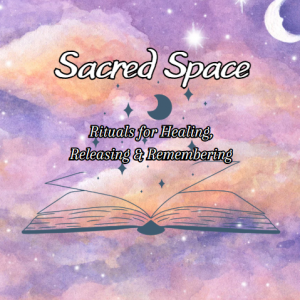
Ritual workbook- Sacred Space For Healing, Releasing, & Remembering
$15.00 -
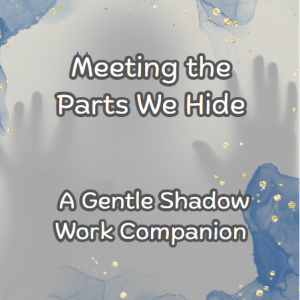
Shadow Work Companion Guide- The parts we hide pdf
$11.00 -
Somatic Healing Cards: Gentle Prompts for Reconnecting with Your Body
$7.00 -
The Inner Child Deck: Truths & Tender Reminders
$7.00

Find My Books On Amazon
(click image for link to product)