

Feeling Overwhelmed? Ground Yourself & Breathe | Hellbloom Haven
Listening to Your Body
Most of the time, your body is communicating with you long before your mind fully understands what’s happening. It responds to your environment, your thoughts, your emotions, and your experiences in ways that are often subtle, but consistent.
Through tension, fatigue, restlessness, or emotional shifts, it’s constantly signaling what it needs, what feels off, and what might require your attention. These signals aren’t random, they’re part of how your system tries to keep you balanced and supported.
Over time, though, many people learn to override these signals. You might push through discomfort, dismiss what you’re feeling, or disconnect from your body without realizing it. What starts as something small becomes something you stop noticing entirely.
This space is about rebuilding that connection, not by forcing awareness, but by gently learning how to notice what has already been there.
When you’re disconnected from your body, it becomes harder to recognize what’s happening internally. Stress can build quietly, emotions can go unprocessed, and needs can go unmet. You might feel overwhelmed without understanding why, or numb without knowing what’s underneath it.
Listening to your body doesn’t mean having immediate answers or interpreting every sensation perfectly. It’s something much simpler than that, it begins with noticing. Noticing tension instead of pushing past it, noticing when your energy shifts, and noticing when something feels off or steady. Even brief moments of ease are worth paying attention to.
Your body doesn’t communicate in words, it communicates in sensation. You might notice:
- tightness in your chest
- heaviness in your stomach
- restlessness in your limbs
- fatigue that lingers
- a sense of openness or calm
Each of these is information, part of a response that makes sense within your experience.
You don’t need a structured practice to begin. You can start with a simple pause, just enough to check in. Ask yourself what you’re feeling, where you notice tension or ease, and whether anything feels unsettled or okay. There’s nothing you need to fix in that moment. The awareness itself is enough.
Over time, something begins to shift. You may start to catch stress earlier, understand your reactions more clearly, and recognize your needs before things escalate. The connection becomes more familiar and easier to return to.
This isn’t about becoming hyper-aware or constantly analyzing yourself. It’s about developing a quieter kind of awareness, one that feels steady, supportive, and sustainable.
Why This Matters
In daily life, it’s easy to become disconnected from your body without realizing it. When that happens, important signals can go unnoticed, stress builds quietly, emotions linger, and needs go unmet.
This can show up as:
- constant tension (tight shoulders, sore neck)
- overwhelm without a clear reason
- emotional shutdown or numbness
- difficulty knowing what you need
Reconnecting with your body begins to interrupt this cycle. As you start to notice what you’re feeling and how your body is responding, you create space to respond with more care and intention.
What “Listening” Actually Means
Listening to your body doesn’t mean having all the answers. It simply means noticing what is already there, tension, shifts in energy, discomfort, or moments of ease. These signals are often subtle at first, but the more you pay attention, the clearer they become.
A Simple Way to Start
You don’t need a full practice, just a small pause. Take a moment and ask:
- What am I feeling in my body right now?
- Where do I notice tension or ease?
- Does anything feel unsettled or calm?
You don’t need to change anything. Just notice.
What Changes Over Time
As you begin to listen more consistently, your awareness naturally deepens. You may notice:
- you catch stress earlier
- you understand your reactions more clearly
- you recognize your needs more quickly
- you feel more connected to yourself
This isn’t about becoming hyper-aware. It’s about becoming gently aware in a way that feels supportive and sustainable.
Listening to Your Body
Pause, notice what you feel, and respond with care instead of pushing through.
Feeling overwhelmed?
Tap to gently check in with yourself.
🌙 Closing
Your body has always been communicating with you, responding in ways designed to protect and support you, even when those messages haven’t been fully understood.
You’re not learning something completely new; instead, you are rediscovering your ability to listen. This journey begins by allowing yourself to notice what has always been there.
Explore Your Healing Path
Each section offers a different way to understand yourself more deeply, follow what feels most relevant to you right now.
🌿 Explore Tools & Support
If you feel like you’d like a little more support as you move through this work, you don’t have to do it alone.

I want to understand what I’m feeling

I want to keep exploring gently

I want something to support me along the way

I’d rather not do this alone
Take your time. Explore, look around, there’s no pressure.
Thank you for being here and taking a moment to explore Hellbloom Haven. Your presence is truly appreciated.
-
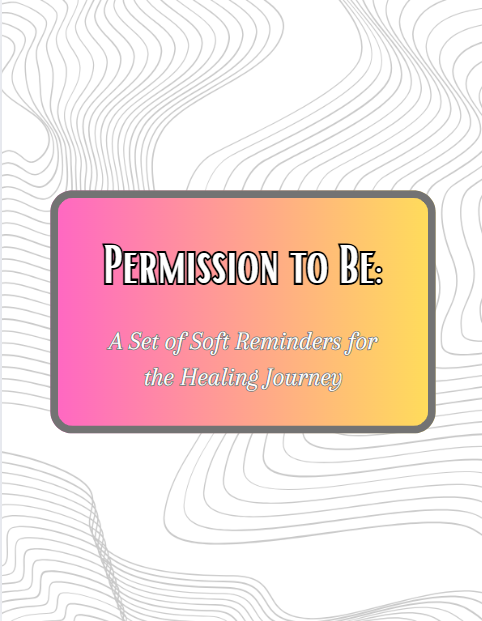
Affirmation Deck-Permission To Be
$7.00 -
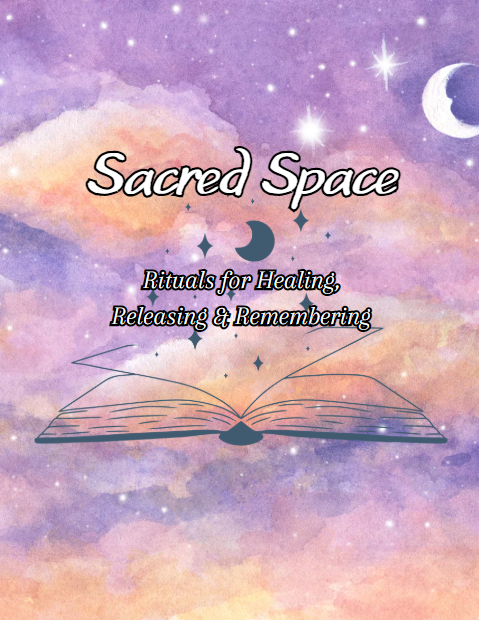
Ritual workbook- Sacred Space For Healing, Releasing, & Remembering
$15.00 -
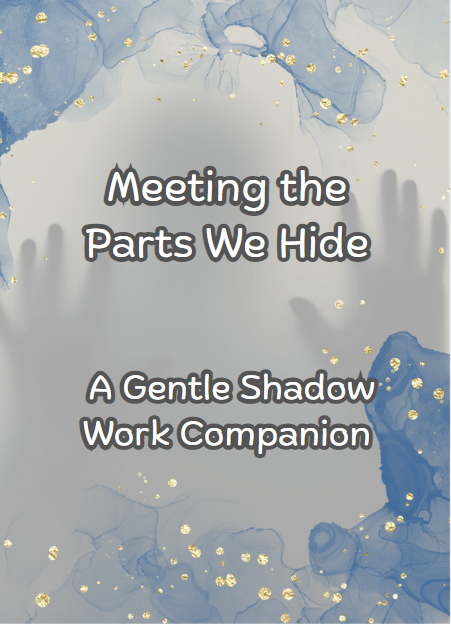
Shadow Work Companion Guide- The parts we hide pdf
$11.00 -
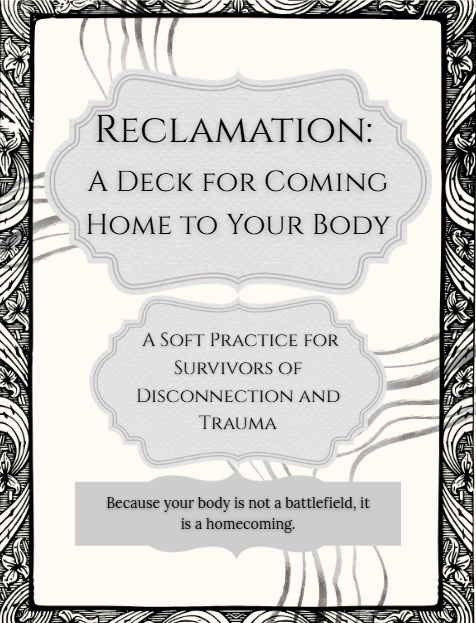
Somatic Healing Cards: Gentle Prompts for Reconnecting with Your Body
$7.00 -
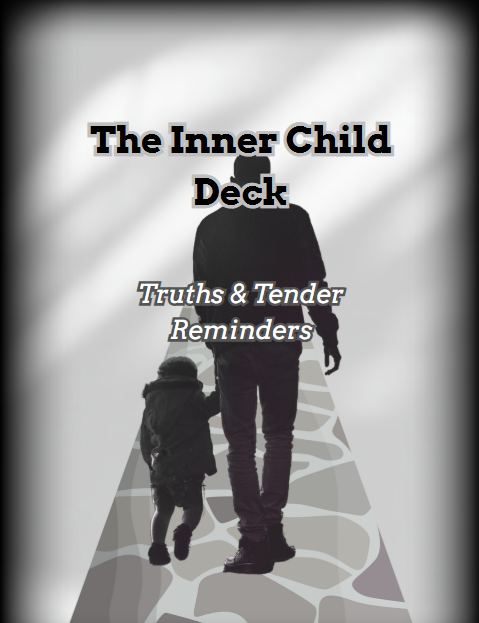
The Inner Child Deck: Truths & Tender Reminders
$7.00
Find My Books On Amazon
(click image for link to product)
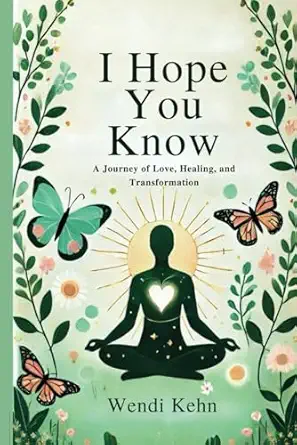
A reflective journey into the stories we grow up believing, I Hope You Know invites you to gently question, unravel, and rewrite the narratives that shaped you. Through insight and encouragement, this book helps you reconnect with your truth, your worth, and the life you’re allowed to create.

Rising Through the Wreckage is a trauma-informed workbook designed to help you actively move through healing. Blending somatic practices, spiritual reflection, and guided exercises, it offers a supportive space to process your experiences, reconnect with your body, and begin rebuilding with clarity and intention.

Breaking the Spell is a trauma-informed workbook designed to help you understand and move through limerence. Through guided prompts, reflection, and practical exercises, it supports you in recognizing patterns, reconnecting with yourself, and gently breaking the emotional cycles that keep you stuck.