
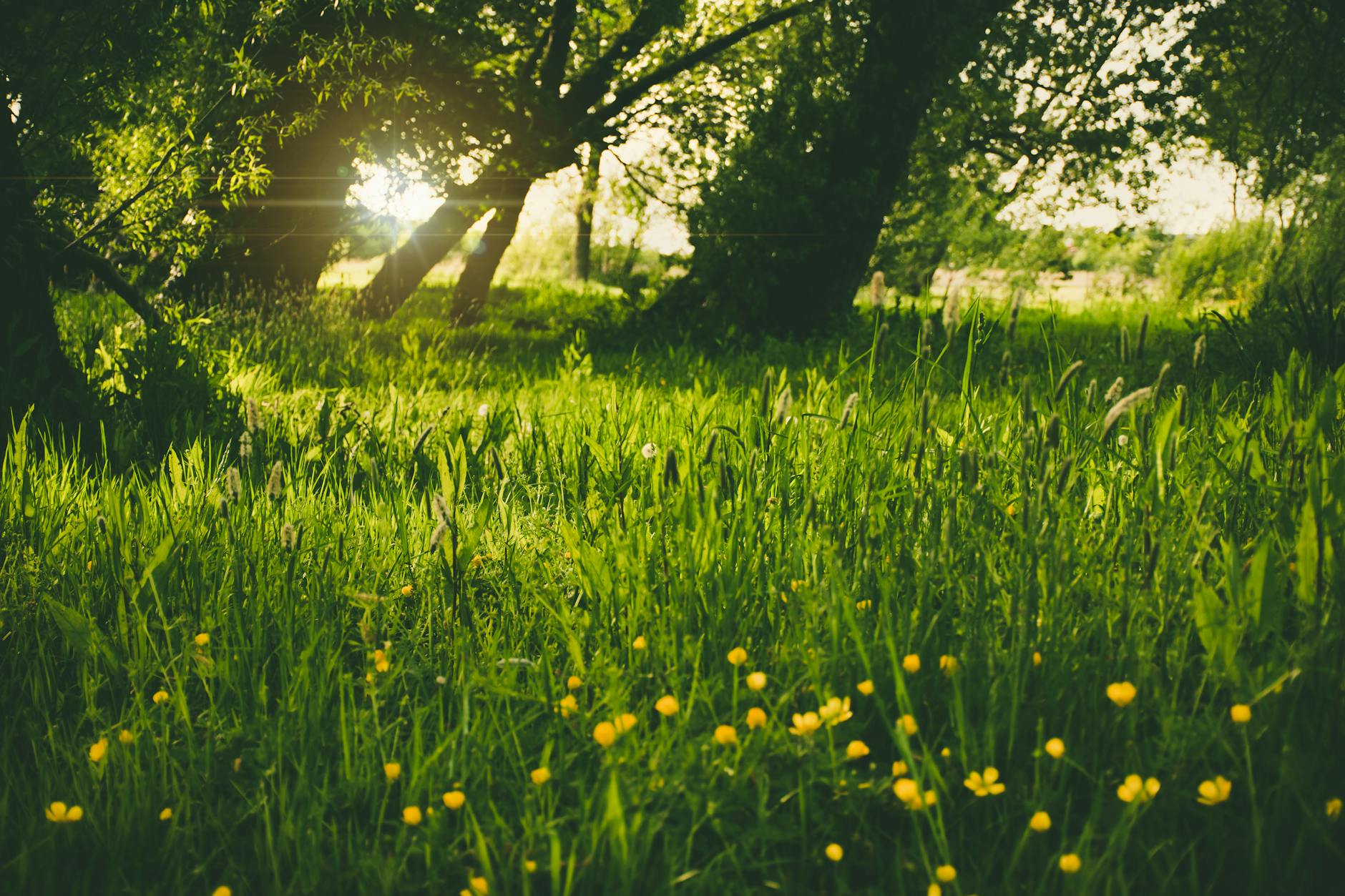
Environment & Sensory Influence
Your environment is constantly influencing you, often in ways you don’t consciously notice.
The light around you, the sounds you hear, the space you’re in, the level of stimulation, and even subtle sensory inputs all shape how you think, feel, and function throughout the day.
This influence is continuous. It does not pause when you are not paying attention to it.
This page is about developing awareness of how your environment and sensory inputs affect your internal state, so you can begin to recognize what supports you and what does not.
🧠 What Is Sensory Influence?
Sensory influence refers to how external inputs—what you see, hear, feel, and experience—affect your nervous system, attention, and overall energy.
Your brain is constantly processing:
- visual input (light, color, movement, clutter)
- auditory input (noise, silence, rhythm)
- physical input (temperature, comfort, posture)
- spatial input (openness, crowding, organization)
Even when you are not consciously aware of it, your system is responding.
🔄 Your Environment Is Not Neutral
It’s easy to assume that your environment is just a backdrop, but it is actively shaping your state.
For example:
- A cluttered space can create subtle mental tension
- Harsh lighting can increase fatigue or overstimulation
- Constant noise can reduce focus
- Certain environments can make you feel calm without knowing why
These effects build over time.
Small inputs, repeated consistently, create noticeable shifts in:
- focus
- mood
- energy
- decision-making
🌞 Key Environmental Factors
💡 Light
Light affects both your biology and your perception.
- Bright, cool light can increase alertness and focus
- Dim or warm light can support relaxation
- Lack of natural light can reduce energy and clarity
Light also influences your circadian rhythm, which affects sleep and overall energy regulation.
🔊 Sound
Sound directly impacts your nervous system.
- Consistent background sound can support focus
- Sudden or unpredictable noise can increase stress
- Silence can feel calming or uncomfortable depending on context
Even low-level noise can affect concentration over time.
🎨 Visual Environment
What you see throughout the day matters.
- Clutter can create mental overload
- Organized spaces can support clarity
- Color and visual contrast can influence mood and attention
Your visual environment is constantly being processed, even when you are not actively focusing on it.
🌡️ Physical Comfort
Your physical surroundings influence your ability to stay regulated.
- Temperature
- Seating and posture
- Air quality
- Physical tension in the body
Discomfort, even when subtle, can reduce focus and increase fatigue.
🌿 Spatial Awareness
The way a space feels, open, closed, crowded, minimal, affects your sense of ease.
- Tight or crowded spaces may increase stress
- Open or balanced spaces may support calm
- Overstimulating environments can lead to fatigue
This is often felt intuitively before it is consciously understood.
⚖️ Overstimulation vs Understimulation
Your environment can push you toward either extreme:
Overstimulation:
- too much noise
- too much visual input
- constant activity
This can lead to:
- mental fatigue
- irritability
- difficulty focusing
Understimulation:
- lack of input
- low engagement
- minimal variation
This can lead to:
- low motivation
- restlessness
- difficulty maintaining attention
The goal is not to eliminate stimulation, but to find a level that supports your current task and state.
🧭 Becoming More Aware
You don’t need to change everything at once.
Start by noticing patterns.
Ask:
- Where do I feel most focused?
- Where do I feel drained?
- What environments make it easier to think clearly?
- What environments create tension or distraction?
Awareness helps you identify cause and effect.
🌱 Small Adjustments That Make a Difference
You can begin with simple changes:
- adjusting lighting to match your activity
- reducing unnecessary noise
- organizing your space
- taking breaks from overstimulating environments
- introducing elements that feel calming or supportive
These adjustments don’t need to be dramatic.
Small shifts can create noticeable changes over time.
🔄 Connecting This to Energy Awareness
Your environment is one of the strongest external influences on your energy.
When you combine environmental awareness with energy awareness, you begin to understand:
- why your state changes in different settings
- what supports your focus and clarity
- how to create conditions that align with your needs
This turns your environment into a tool instead of a background.
🌿 Closing
Your environment is always interacting with you.
It is shaping your attention, influencing your nervous system, and affecting how you move through your day.
The goal is not to control everything around you, but to become aware of what is influencing you.
Because once you notice those patterns, you gain the ability to make small, intentional adjustments that support clarity, balance, and focus.
Your environment is not separate from you, it is part of your experience.
🌿 Interactive Environment Scanner
Your environment may be influencing your energy more than you realize. Select what feels most present right now and explore how it may be affecting your state.
Light
What it may be doing: Lighting can influence alertness, mood, eye strain, and your overall sense of ease.
It may affect: focus, energy, nervous system regulation, and clarity.
Try adjusting: Notice whether your space feels too harsh, too dim, or visually fatiguing. A small change in brightness or warmth may help.
Explore Your Healing Path
Each section offers a different way to understand yourself more deeply, follow what feels most relevant to you right now.
🌿 Explore Tools & Support
If you feel like you’d like a little more support as you move through this work, you don’t have to do it alone.
The Trauma Portal is a space designed to help you name your experiences and understand how trauma and abuse can shape your thoughts, emotions, and patterns. It offers education and supportive resources to help you build awareness and make sense of what you’ve been carrying.
If you’re looking for more personal support, I offer Peer Support Sessions — Come As You Are, gentle spaces where you can talk through what you’re experiencing and feel supported without pressure, judgment, or expectation.
For those who feel drawn to a deeper, more intuitive layer, there are also Intuitive Sessions, where we explore patterns, emotional blocks, and what may be ready to be understood or released.
If you prefer something self-guided, you can explore a collection of tools and resources, including digital downloads, books, and guided workbooks designed to support deeper reflection at your own pace.
You can also explore my Poetry Portal and blog, where I share reflections, lived experiences, and personal insights from my own journey.
For something more tangible, I offer apparel, including tees designed with messages that reflect healing, awareness, and self-connection.
Take your time. Explore, look around, there’s no pressure.
Thank you for being here and taking a moment to explore Hellbloom Haven. Your presence is truly appreciated.
-

Affirmation Deck-Permission To Be
$7.00 -
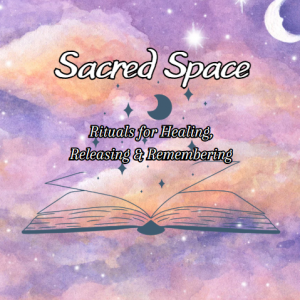
Ritual workbook- Sacred Space For Healing, Releasing, & Remembering
$15.00 -
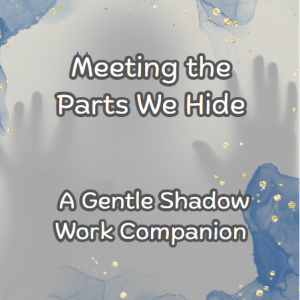
Shadow Work Companion Guide- The parts we hide pdf
$11.00 -
Somatic Healing Cards: Gentle Prompts for Reconnecting with Your Body
$7.00 -
The Inner Child Deck: Truths & Tender Reminders
$7.00

Find My Books On Amazon
(click image for link to product)