
Breathwork
Feeling Overwhelmed? Ground Yourself & Breathe | Hellbloom Haven
Breathwork refers to the intentional use of breathing patterns to influence your physical, mental, and emotional state.
Although breathing happens automatically, it is one of the few systems in the body that can be both automatic and consciously controlled. This creates a direct connection between your mind and body, allowing you to influence how you feel by changing how you breathe.
Because of this, breath is not just a background function.
It is an active part of how your body regulates itself.
Background
Breath-based practices have been used across cultures for thousands of years.
In yogic traditions, structured breathing practices (often referred to as pranayama) were used to regulate energy, improve focus, and support physical and mental balance. In meditation practices, breath has long been used as an anchor for awareness, helping bring attention back to the present moment.
Other traditions, including martial arts and ritual practices, also incorporated controlled breathing to influence endurance, emotional control, and internal stability.
In modern contexts, breathwork has been studied through physiology and neuroscience. Research shows that breathing patterns are closely tied to the nervous system, particularly the balance between activation (stress response) and regulation (calm, recovery state).
This connection is what makes breathwork so effective.
It gives you a direct way to influence systems in the body that are otherwise difficult to control.
The Relationship Between Breath and State
Your breath is constantly reflecting what is happening within you.
When you feel stressed, overwhelmed, or anxious, your breathing often becomes faster, shallower, or irregular. When you feel calm and safe, your breathing naturally slows and deepens.
This relationship works in both directions.
Just as your state changes your breathing, your breathing can change your state.
For example:
- Rapid, shallow breathing can reinforce feelings of tension or urgency
- Slow, controlled breathing can signal safety and reduce stress responses
- Holding or restricting breath can increase internal pressure
- Steady, rhythmic breathing can create a sense of stability
This is why breathwork is often described as a bridge, it connects your conscious awareness with your body’s automatic responses.
How Breathwork Helps
Because breathing directly influences the nervous system, it can support a wide range of internal shifts.
Breathwork can help:
- reduce stress and calm the body
- improve focus and mental clarity
- regulate emotional responses
- release built-up tension
- increase awareness of internal state
- support recovery after periods of overwhelm
In some cases, the effects are subtle. In others, they can be immediate.
Even small adjustments, such as slowing your breath or bringing awareness to it, can begin to shift how your body feels.
Different Types of Breathing Patterns
Breathwork is not a single technique. It includes a variety of approaches, each with a different effect on the body and mind.
Slower, controlled breathing patterns are often used to:
- calm the nervous system
- reduce overstimulation
- support relaxation
More active or rhythmic breathing patterns may be used to:
- increase alertness and energy
- shift emotional states
- create a stronger sense of presence
Grounding breath practices focus on:
- reconnecting with the body
- stabilizing attention
- reducing feelings of disconnection
The effectiveness of a technique depends on your current state.
What helps in one moment may not be what you need in another.
Breathwork as a Tool for Awareness
Beyond its physical effects, breathwork also builds awareness.
When you begin to notice your breathing patterns, you start to recognize how your internal state is shifting throughout the day. You may become more aware of moments of tension, distraction, or emotional buildup earlier, before they fully take over.
This awareness creates space.
Instead of reacting automatically, you begin to recognize what is happening and have the option to respond more intentionally.
A Practical Perspective
Breathwork does not need to be complex or structured to be effective.
At its simplest, it begins with noticing:
- how you are breathing
- when your breath changes
- what your breath feels like in different states
From there, small adjustments can be made naturally.
Over time, this builds a more consistent connection between your awareness and your body.
Closing
Your breath is always present, and always responding to your experience.
Learning to work with it gives you a direct and accessible way to influence your state, without needing to change your environment or external circumstances.
It becomes a steady point of connection.
The way you breathe shapes the way you experience the moment.
Here is a simple breathwork exercise you can follow.
Learn Breathwork
Explore the same breath practices offered in the Breathing Through Life tool. Click each technique to view a short description and simple instructions.
How to practice:
- Inhale through your nose for 4 seconds
- Hold for 4 seconds
- Exhale through your mouth for 4 seconds
- Hold again for 4 seconds
- Repeat for several rounds
Often used for: calming the nervous system, steadiness, and focus.
How to practice:
- Inhale through your nose for 4 seconds
- Hold for 7 seconds
- Exhale slowly through your mouth for 8 seconds
- Repeat for 3–5 rounds
Often used for: relaxation, winding down, and preparing for rest.
How to practice:
- Close your right nostril and inhale through your left
- Close your left nostril and exhale through your right
- Inhale through your right nostril
- Close your right nostril and exhale through your left
- Repeat this alternating pattern
Often used for: balance, mental clarity, and focus.
How to practice:
- Inhale gently through your nose
- Exhale through your mouth with an audible sigh
- Let your shoulders soften as you exhale
- Repeat for several rounds
Often used for: releasing tension, emotional heaviness, and stress.
How to practice:
- Inhale slowly through your nose
- As you inhale, think of something or someone you appreciate
- Exhale gently and let the breath soften your body
- Repeat for several rounds
Often used for: emotional grounding, appreciation, and gentle calm.
How to practice:
- Inhale through your nose for 3 counts
- Hold for 3 counts
- Exhale through your mouth for 3 counts
- Repeat in an even three-part rhythm
Often used for: centering, rhythm, and gentle regulation.
How to practice:
- Inhale through your nose for 5–6 seconds
- Exhale through your nose for 5–6 seconds
- Keep the breath smooth, steady, and even
- Continue for several minutes
Often used for: nervous system balance, emotional steadiness, and regulation.
How to practice:
- Inhale slowly through your nose
- Slightly constrict the back of your throat
- Exhale through your nose with a soft ocean-like sound
- Keep the breath steady and rhythmic
Often used for: grounding, focus, and creating a calm internal rhythm.
How to practice:
- Inhale through your nose for 2 counts
- Hold for 1 count
- Exhale through your mouth for 4 counts
- Repeat for several rounds
Often used for: gentle energy, regulation, and focus with a lengthened exhale.
How to practice:
- Inhale deeply through your nose
- Open your mouth wide and stick out your tongue
- Exhale forcefully through your mouth
- Repeat several times
Often used for: releasing tension, expression, and clearing built-up energy.
How to practice:
- Sit upright and keep your chest lifted
- Take quick rhythmic breaths through the nose
- Keep the inhales and exhales short and active
- Start gently and stop if you feel dizzy or uncomfortable
Often used for: energizing the body and increasing alertness.
How to practice:
- Place one hand on your chest and one on your belly
- Inhale slowly through your nose and let your belly rise
- Keep your chest as relaxed as possible
- Exhale slowly through your nose or mouth
- Continue for a few minutes
Often used for: body awareness, deeper breathing, and relaxation.
Explore Your Healing Path
Each section offers a different way to understand yourself more deeply, follow what feels most relevant to you right now.

🌿 Explore Tools & Support
If you feel like you’d like a little more support as you move through this work, you don’t have to do it alone.

I want to understand what I’m feeling

I want to keep exploring gently

I want something to support me along the way

I’d rather not do this alone
Take your time. Explore, look around, there’s no pressure.
Thank you for being here and taking a moment to explore Hellbloom Haven. Your presence is truly appreciated.
-
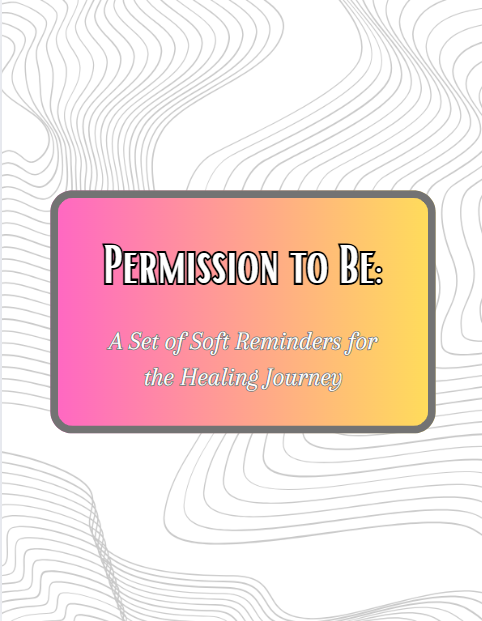
Affirmation Deck-Permission To Be
$7.00 -
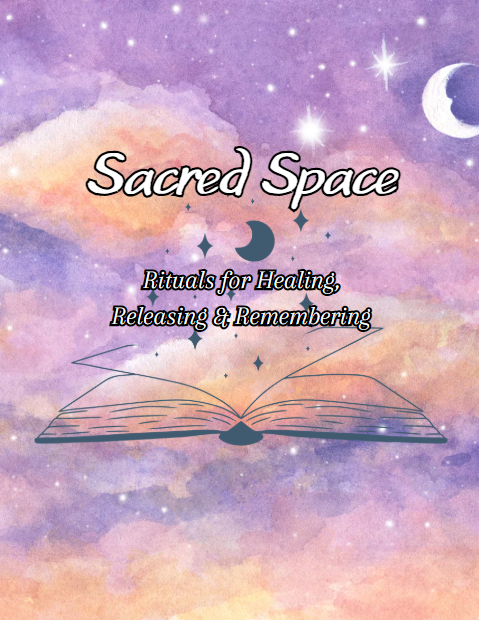
Ritual workbook- Sacred Space For Healing, Releasing, & Remembering
$15.00 -
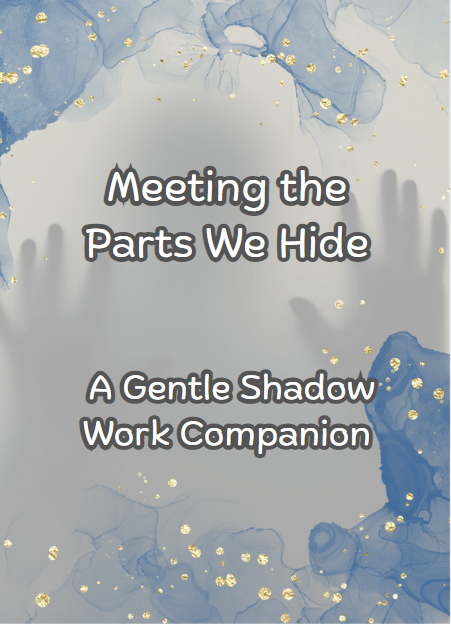
Shadow Work Companion Guide- The parts we hide pdf
$11.00 -
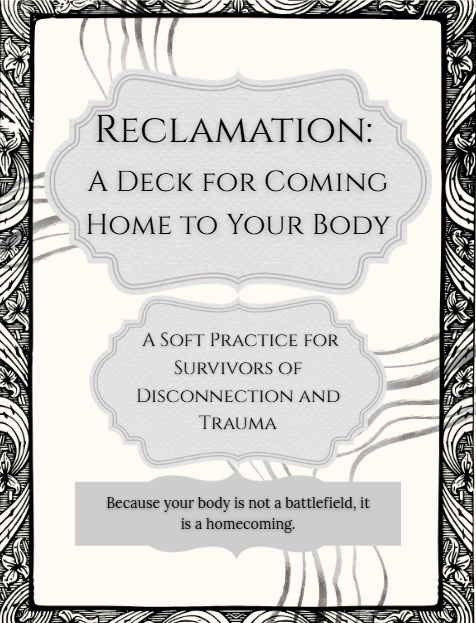
Somatic Healing Cards: Gentle Prompts for Reconnecting with Your Body
$7.00 -

The Inner Child Deck: Truths & Tender Reminders
$7.00
Find My Books On Amazon
(click image for link to product)
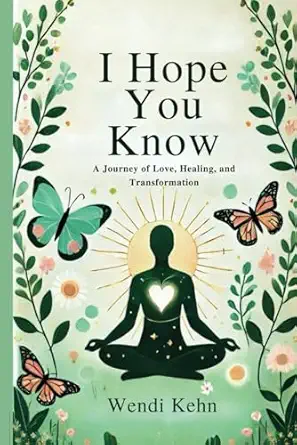
A reflective journey into the stories we grow up believing, I Hope You Know invites you to gently question, unravel, and rewrite the narratives that shaped you. Through insight and encouragement, this book helps you reconnect with your truth, your worth, and the life you’re allowed to create.

Rising Through the Wreckage is a trauma-informed workbook designed to help you actively move through healing. Blending somatic practices, spiritual reflection, and guided exercises, it offers a supportive space to process your experiences, reconnect with your body, and begin rebuilding with clarity and intention.

Breaking the Spell is a trauma-informed workbook designed to help you understand and move through limerence. Through guided prompts, reflection, and practical exercises, it supports you in recognizing patterns, reconnecting with yourself, and gently breaking the emotional cycles that keep you stuck.