
Understanding Your Stress Responses
Your reactions are not random.
The way you respond to stress, whether you shut down, become anxious, people-please, or feel the urge to escape, is your body attempting to protect you. Before your mind has time to interpret what is happening, your nervous system has already moved you into a response: fight, flight, freeze, or fawn.
These patterns are not flaws. They are adaptive responses shaped over time through experience, repetition, and survival. This space is here to help you understand those responses more clearly, so you can begin to relate to yourself with awareness instead of judgment.
🌿 Why You Respond This Way
Your nervous system is constantly scanning for cues of safety or threat.
When something feels overwhelming, uncertain, or unsafe, whether consciously recognized or not, your body shifts into a state designed to protect you as efficiently as possible. This process is automatic and happens beneath conscious thought.
Your responses were not chosen in the moment; they were learned over time. Each pattern developed because, at some point, it helped you cope, avoid harm, maintain connection, or get through something difficult. Even when those responses feel frustrating now, they are rooted in protection.
🌿 The Four Stress Responses
You may recognize yourself strongly in one response, or notice that you move between them depending on the situation. Each one reflects a different way your system attempts to create safety.
✨ Fight
The fight response directs energy outward. It can show up as irritability, frustration, or a heightened need for control. There may be a sense of pressure in the body, a quickness to react, or a tendency toward defensiveness.
This response often develops in environments where pushing back, staying alert, or asserting control felt necessary. Beneath it is typically a need for safety, boundaries, and the ability to be heard or respected.
✨ Flight
The flight response is oriented toward escape. It can appear as anxiety, restlessness, overthinking, or a persistent need to stay busy. Slowing down may feel uncomfortable or even unsafe, and there may be a constant sense that something needs to be done, solved, or avoided.
This response tends to develop when leaving, distracting, or staying in motion helped manage distress. Beneath it is often a need for relief, space, and reassurance.
✨ Freeze
The freeze response slows the system down. It can feel like being stuck, disconnected, or unable to act. Energy may drop, thoughts may become foggy, and even simple decisions can feel overwhelming.
This response often develops when neither fighting nor escaping felt possible. If this response feels familiar, it reflects a system that learned to protect itself by conserving energy and reducing overwhelm. You can explore this response more deeply inside the trauma portal, where freeze is broken down with more guidance and support.
✨ Fawn
The fawn response prioritizes connection as a way to stay safe. It can look like people-pleasing, difficulty saying no, or consistently placing others’ needs above your own. There may be a strong sensitivity to others’ emotions and a fear of conflict or disapproval.
This response often develops in environments where maintaining harmony or avoiding rejection was necessary for safety. If this pattern resonates, you can explore it more deeply inside the trauma portal, where the fawn response is unpacked with more context and support.
🌿 A Different Way to See Yourself
These responses are not signs that something is wrong with you. They are intelligent adaptations created by your nervous system in response to real experiences.
You are not too much or not enough. You are responding in ways your system learned would help you survive. Awareness changes the relationship you have with these patterns. Once you begin to recognize what is happening, there is more space to respond with intention rather than react automatically.
🌿 What You Can Do
Change does not come from forcing yourself out of these responses. It begins with noticing.
Noticing when a response is happening, how it feels in your body, and what might be underneath it. From there, small shifts become possible. A pause, a breath, or a moment of awareness can begin to create space. Within that space, new responses can slowly form.
Which response do you recognize most?
Click through the responses below and notice what feels most familiar.
Fight
This response often develops when control or strength felt necessary for safety. What shows up as anger or frustration can also be a protective attempt to create boundaries or regain a sense of stability. There may be a need underneath this response to feel heard, respected, or safe enough to soften.
🌿 Closing
You are not your stress response. It is something your body does, not something you are.
The more you understand these patterns, the less they define your experience. Over time, with awareness and support, your nervous system can begin to feel safer in ways it may not have before.
That process does not need to be rushed. It only needs to begin.
Explore Your Healing Path
Each section offers a different way to understand yourself more deeply, follow what feels most relevant to you right now.
🌿 Explore Tools & Support
If you feel like you’d like a little more support as you move through this work, you don’t have to do it alone.

I want to understand what I’m feeling

I want to keep exploring gently

I want something to support me along the way
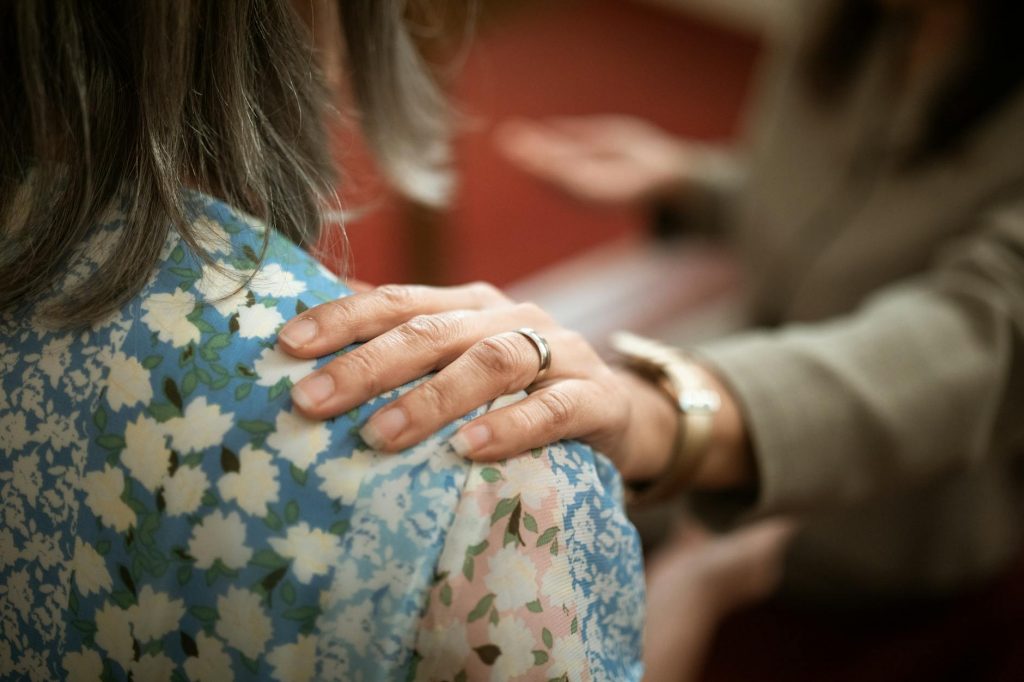
I’d rather not do this alone
Take your time. Explore, look around, there’s no pressure.
Thank you for being here and taking a moment to explore Hellbloom Haven. Your presence is truly appreciated.
-
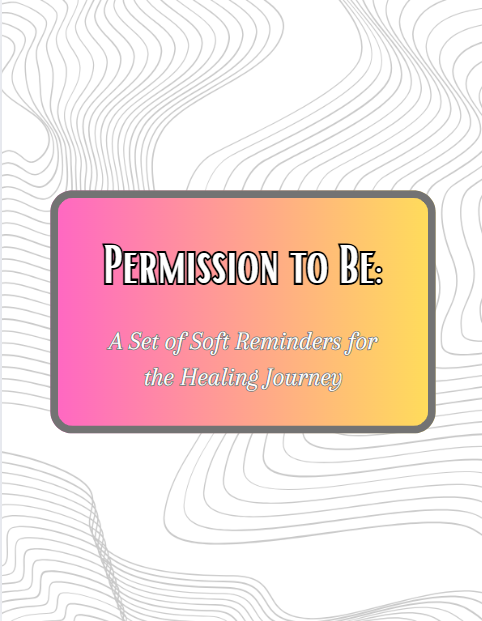
Affirmation Deck-Permission To Be
$7.00 -
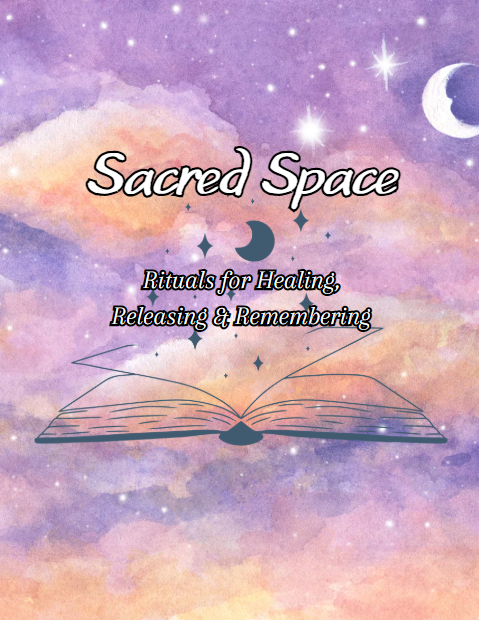
Ritual workbook- Sacred Space For Healing, Releasing, & Remembering
$15.00 -
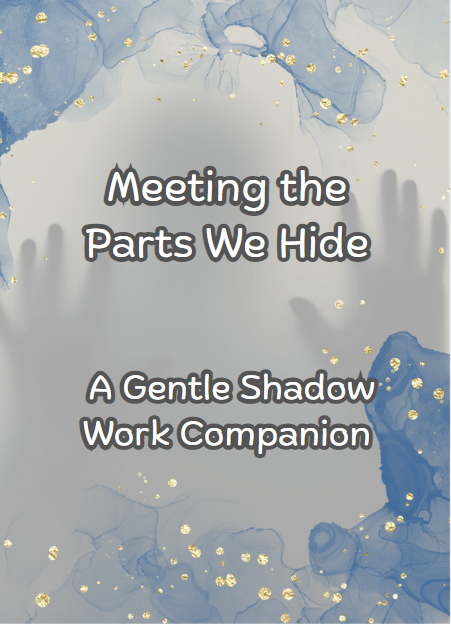
Shadow Work Companion Guide- The parts we hide pdf
$11.00 -
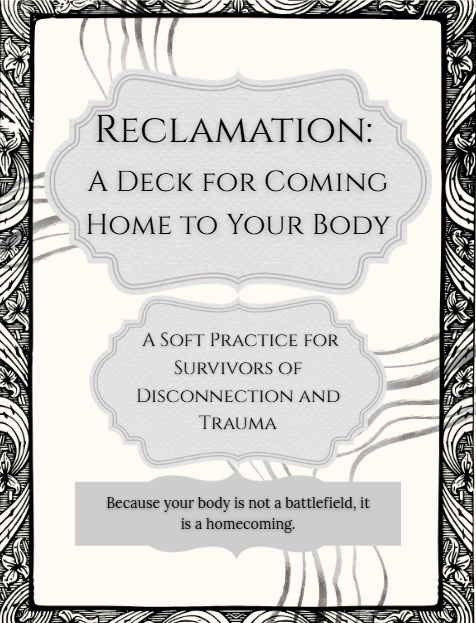
Somatic Healing Cards: Gentle Prompts for Reconnecting with Your Body
$7.00 -
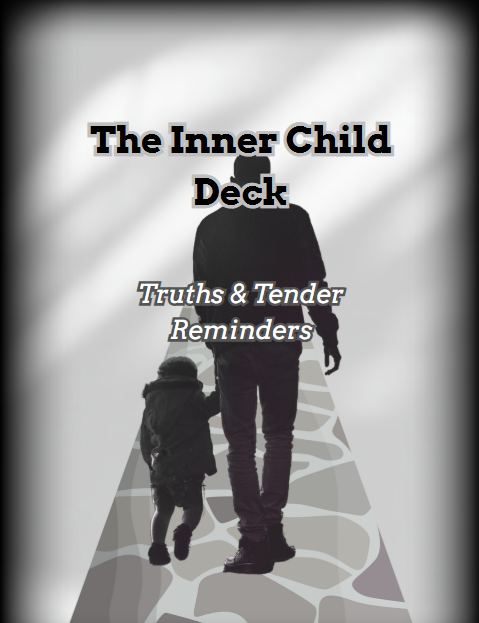
The Inner Child Deck: Truths & Tender Reminders
$7.00
Find My Books On Amazon
(click image for link to product)
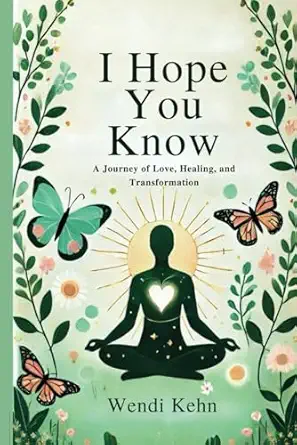
A reflective journey into the stories we grow up believing, I Hope You Know invites you to gently question, unravel, and rewrite the narratives that shaped you. Through insight and encouragement, this book helps you reconnect with your truth, your worth, and the life you’re allowed to create.

Rising Through the Wreckage is a trauma-informed workbook designed to help you actively move through healing. Blending somatic practices, spiritual reflection, and guided exercises, it offers a supportive space to process your experiences, reconnect with your body, and begin rebuilding with clarity and intention.

Breaking the Spell is a trauma-informed workbook designed to help you understand and move through limerence. Through guided prompts, reflection, and practical exercises, it supports you in recognizing patterns, reconnecting with yourself, and gently breaking the emotional cycles that keep you stuck.