

When the body becomes the battlefield.
Feeling Overwhelmed? Ground Yourself & Breathe | Hellbloom Haven
Welcome
Welcome to my Eating Disorders & Trauma page.
You may be here because:
Food feels complicated.
Your body feels unsafe.
You restrict, binge, purge, overexercise, or numb through eating.
Your weight changed after trauma.
You feel shame around your relationship with food.
Eating disorders are often misunderstood as being about vanity.
They are not.
For many people, disordered eating is about control, safety, numbness, or protection.
This page is educational, not diagnostic.
If you are struggling, you deserve professional support.
A Note on Medical Risk
Restrictive eating disorders, particularly anorexia nervosa, are among the most medically dangerous mental health conditions.
The longer severe restriction continues, the more it can affect:
Heart health
Bone density
Hormonal function
Cognitive clarity
Mood stability
Malnutrition also makes recovery more difficult over time, as the brain and body become depleted.
Early intervention matters.
If you suspect that eating behaviors have become rigid, compulsive, or medically risky, professional support is strongly recommended.
This is not about appearance.
It is about safety.
If you’re concerned about someone in your life and aren’t sure how to bring it up without focusing on weight or appearance, I’ve created a guide to help you approach the conversation safely and compassionately:
What Are Eating Disorders?
Eating disorders are serious mental health conditions involving disturbances in eating behaviors and body image.
Common clinical diagnoses include:
Anorexia Nervosa
Bulimia Nervosa
Binge Eating Disorder
Avoidant/Restrictive Food Intake Disorder (ARFID)
Other Specified Feeding or Eating Disorders (OSFED)
But trauma-linked eating patterns may also include:
Emotional eating as regulation
Food restriction to regain control
Compulsive exercise
Orthorexia (rigid “clean eating”)
Chronic dieting
Weight cycling
Not all trauma-related eating patterns meet full diagnostic criteria.
They still deserve attention.
🔎 Naming the Pattern
Trauma can disrupt the relationship between:
Hunger and safety
Body and control
Food and regulation
🚩 Restriction as Control
Limiting food intake when life feels chaotic. Feeling powerful when eating less. Equating thinness with safety.
🚩 Restriction as Self-Harm
For some individuals, restriction becomes a way to externalize emotional pain. Hunger may create a sense of control, act as self-punishment, or replace other self-injurious behaviors. Even when it feels controlled, it is still harm.
🚩 Bingeing as Numbing
Using food to soothe distress. Eating past fullness to quiet emotion. Temporary relief followed by shame.
🚩 Purging or Compensatory Behaviors
Vomiting, laxatives, overexercising, or fasting after eating to undo perceived damage.
🚩 Body Monitoring
Constant weighing, mirror checking, fixation on size or shape.
🚩 Weight Gain After Trauma
Trauma can alter cortisol, metabolism, appetite regulation, and stress hormones. For some, weight gain feels protective. For others, the body retains weight despite effort. The body may prioritize survival over aesthetics.
🚩 When to Seek Support — and When Not to Assume
Eating disorders are defined by behaviors, distress, and medical impact — not body size alone. Not all thin bodies are disordered; not all larger bodies are unhealthy. Seek evaluation when rigidity, anxiety, compensatory behaviors, rapid weight shifts, dizziness, fainting, or food preoccupation interfere with life.
What This Is & What It Isn’t
Bodies respond to experience. Patterns develop for survival.
✔ What This Is
Trauma-linked eating patterns that developed to regulate overwhelm.
Attempts to create control when life felt unpredictable.
Survival strategies that altered hunger cues or body perception.
Behaviors tied to emotional protection rather than appearance.
Patterns that deserve compassionate, professional attention.
✘ What This Isn’t
Simply “dieting.”
Neutral health-oriented nutrition or exercise.
Vanity or superficial concern.
A moral failure.
A lack of discipline.
The difference is flexibility.
Healthy habits allow nourishment and adjustment.
Disordered eating is rigid, fear-driven, and tied to emotional survival.
Understanding the origin does not reduce the seriousness.
Eating disorders carry one of the highest mortality rates of any mental health condition.
They are treatable.
📊 Research & Scope
Research links trauma exposure, particularly sexual abuse, emotional abuse, and neglect, with increased risk of eating disorders.
Studies show:
Higher ACE scores correlate with increased eating pathology.
Childhood sexual abuse is strongly associated with bulimia and binge eating.
PTSD symptoms frequently co-occur with eating disorders.
Chronic stress elevates cortisol, which can:
Increase appetite
Promote abdominal fat storage
Disrupt hunger and satiety signals
Increase cravings
Trauma may dysregulate leptin, ghrelin, insulin sensitivity, sleep, and emotional regulation.
Eating disorders are biopsychosocial.
Biology, psychology, culture, and trauma history all interact.
🧠 Nervous System Impact
Disordered eating often functions as regulation.
Restriction can create:
Emotional numbness
A sense of control
Reduced internal chaos
Bingeing can create:
Dopamine release
Temporary soothing
Distraction from intrusive thoughts
Weight gain or retention may sometimes function as:
A protective layer
A boundary
A subconscious signal of safety
The body adapts to survive.
But strategies that once protected can become harmful.
💔 How It May Show Up Later
Trauma-linked eating patterns may include:
Chronic dieting
Body shame
Fear of being seen
Difficulty trusting hunger cues
Hormonal disruption
Medical complications
Avoidance of intimacy
For some, food becomes the battleground for unresolved pain.
The Cost of Unaddressed Eating Disorders
Emotional Cost
Shame, anxiety, depression, obsessive thinking.
Relational Cost
Isolation, secrecy, strain within family systems.
Physical Cost
Cardiac complications, bone density loss, hormonal disruption, gastrointestinal damage.
Functional Cost
Reduced concentration, fatigue, medical instability, increased suicide risk.
This is a serious medical condition.
Support is essential.
Moving Toward Healing
Healing is about steadiness, not denial.
Recovery may include:
Specialized eating disorder treatment
Trauma-informed therapy
Nutritional rehabilitation
Medical monitoring
Gradual rebuilding of body trust
Healing is not about punishment.
It is about restoring safety without self-harm.
If You Recognize Yourself in These Patterns
Start gently.
Ask:
What did food become for me?
When did my relationship with my body shift?
What emotion feels hardest to sit with?
You do not need to fix everything today.
But you do deserve medical and psychological support.
Eating disorders rarely resolve through willpower alone.
🔗 Support & Resources
If you are personally seeking help, visit:
→ Seeking Help for an Eating Disorder Guide
(A practical overview of treatment levels, how to begin recovery, and what to expect.)
If you are supporting someone and unsure how to start the conversation:
→ How to Talk to Someone About Eating Concerns (Without Making It About Weight)
(A compassionate framework for approaching eating concerns safely.)
Professional help and treatment is strongly recommended.
🧠 Specialized Treatment
Look for providers trained in:
Eating disorder treatment
Trauma-informed therapy
EMDR
DBT
Family-Based Treatment (FBT)
🔗 Support & Resources
If this page resonated with you, you are not alone.
Eating disorders are complex and often rooted in trauma, nervous system dysregulation, control dynamics, identity, and attachment. Recovery is possible, but it is rarely something that has to be done alone.
Support can include medical care, therapy, nutritional support, peer groups, and culturally aligned providers.
🧠 Trauma-Informed Therapy & Treatment
Approaches often helpful for eating disorder recovery include:
• Eating Disorder–informed therapy
• EMDR (for trauma-related patterns)
• Internal Family Systems (IFS)
• Somatic or nervous system–focused therapy
• Attachment-based therapy
• Trauma-Focused CBT
• Dialectical Behavior Therapy (DBT)
General Therapy Directories:
Psychology Today
https://www.psychologytoday.com
Open Path Psychotherapy Collective (low-cost therapy)
https://openpathcollective.org
SAMHSA Treatment Locator
https://findtreatment.gov
When searching, you may want to include terms such as:
“eating disorder specialist,” “trauma-informed therapist,” or “somatic eating disorder therapy.”
If outside the U.S., search:
“eating disorder treatment + your country”
🇺🇸 U.S. Eating Disorder Resources
National Eating Disorders Association (NEDA)
https://www.nationaleatingdisorders.org/
ANAD (National Association of Anorexia Nervosa & Associated Disorders)
https://anad.org/
Project HEAL
https://www.theprojectheal.org/
These organizations offer education, screening tools, referrals, peer support, and treatment navigation assistance.
🌎 International
Search:
“eating disorder treatment + your country”
You can also check with national health services, primary care providers, or local mental health organizations for specialized referrals.
🌍 Culturally Responsive Care
Trauma does not occur outside of culture.
Experiences shaped by racism, colonization, migration, religious control, discrimination, or systemic inequity require care that understands context — not just symptoms.
For many people, working with a provider who understands their cultural background or lived experience increases safety and trust.
Cultural alignment is not about exclusion.
It is about feeling seen without having to explain your reality from the beginning.
If this feels important to you, these directories may help:
• Therapy for Black Girls – https://therapyforblackgirls.com
• Therapy for Black Men – https://therapyforblackmen.org
• Latinx Therapy – https://latinxtherapy.com
• Asian Mental Health Collective – https://www.asianmhc.org
• StrongHearts Native Helpline – https://strongheartshelpline.org
• National Queer & Trans Therapists of Color Network – https://www.nqttcn.com
• Inclusive Therapists – https://www.inclusivetherapists.com
If outside the U.S., search:
“culturally responsive therapist + your country”
You deserve care that honors the full context of who you are.
📞 Crisis Support
If you are experiencing medical instability, fainting, severe restriction, purging, suicidal thoughts, or other urgent symptoms:
Call emergency services.
988 Suicide & Crisis Lifeline (U.S.)
Call or text 988
https://988lifeline.org
Crisis Text Line (U.S.)
Text HOME to 741741
https://www.crisistextline.org
If outside the U.S., search:
“eating disorder crisis hotline + your country”
If your physical symptoms feel urgent, seek medical care immediately.”
📚 Recommended Reading
Sick Enough — Jennifer L. Gaudiani
A compassionate, medically grounded look at the physical realities of eating disorders. Helpful for understanding that eating disorders are serious health conditions, not choices.
The Body Is Not an Apology — Sonya Renee Taylor
Explores body shame, social conditioning, and radical self-acceptance. Especially supportive for those navigating identity, oppression, and body-based trauma.
Life Without Ed — Jenni Schaefer
A practical and empowering perspective on separating your identity from the eating disorder voice. Offers accessible tools for reclaiming autonomy.
Eating in the Light of the Moon — Anita Johnston
Blends storytelling and psychology to explore the emotional and symbolic roots of disordered eating in women.
8 Keys to Recovery from an Eating Disorder — Carolyn Costin & Gwen Schubert Grabb
Structured, recovery-focused guidance from clinicians and lived experience. Covers both behavioral and emotional aspects of healing.
The Hunger Trap — Judson Brewer
Examines the neuroscience of craving and habit loops, offering insight into how compulsive behaviors form and how they can shift.
These are independent educational resources that many survivors and clinicians have found helpful. I am not affiliated with the authors and do not receive compensation for sharing them.
✨ Ways I Can Support You
- Peer Support Sessions – “Come As You Are”
A safe, non-clinical space to talk, reflect, and explore what’s surfacing.
→ 60 minutes via Google Meet – $25
→ Book a session - Digital Workbooks & Journals
Tools to support emotional processing, boundary repair, family pattern awareness, and inner child work.
→ Explore my resources - Free Boundaries Workbook
A gentle starting place for learning to say “no,” reclaim your space, and rebuild trust with your body.
→ Download your copy - For Intuitive or Spiritual Support
If you resonate with healing through a more spiritual lens, you can explore my intuitive offerings here.
→ Visit my intuitive services page
These services are supportive in nature and are not a replacement for mental health or clinical help
🌿 Gentle Reminder
Your body is not your enemy.
It carried you through something.
Healing is not about shrinking.
It is about safety, and you deserve support that honors both your trauma and your strength.
Need Help Finding a Resource That Feels Right for You?
Whether you’re searching for culturally-competent support, trauma-informed spaces in your area, or affordable options, I invite you to reach out.
I’m not a licensed therapist, but I’m a compassionate guide, creative problem-solver, and skilled researcher. I’ll do my best to help you find something that aligns with where you are and honors who you are.
🌿Explore More Topics in the Trauma Portal
Every experience is unique, and trauma can show up in many forms. Click below to explore related topics, each page offers insights, tools, and resources to support your journey.

🌿 Explore Tools & Support
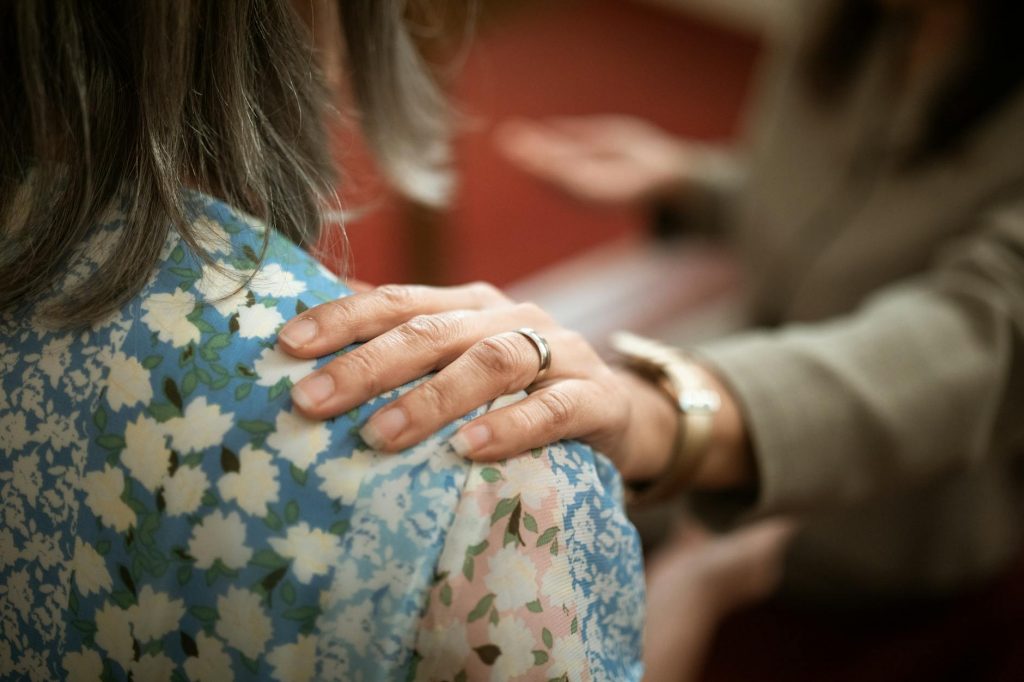
If you feel like you’d like a little more support as you move through this work, you don’t have to do it alone.

I want to understand what I’m feeling

I want to keep exploring gently

I want something to support me along the way
I’d rather not do this alone
Take your time. Explore, look around, there’s no pressure.
Thank you for being here and taking a moment to explore Hellbloom Haven. Your presence is truly appreciated.