

When home becomes a place of fear instead of safety.
Feeling Overwhelmed? Ground Yourself & Breathe | Hellbloom Haven
Welcome
Home is supposed to be a place of protection.
For many people, it is not.
Domestic violence is often misunderstood as “just physical abuse.” It can include many forms of control, intimidation, and harm, and its impact reaches far beyond visible injuries.
If you grew up in a home where yelling, fear, or unpredictability felt normal…
If you were taught to minimize what happened because “it wasn’t that bad”…
If you experienced harm from a partner or caregiver and still struggle to name it…
You are not alone.
This page is educational. It does not diagnose.
Its purpose is to help you recognize patterns of domestic violence, including exposure during childhood, and understand how it can shape the nervous system and long-term relational patterns.
What Is Domestic Violence?
Domestic violence is a pattern of behaviors used by one person in a close relationship to gain or maintain power and control over another.
It can occur between:
• Romantic partners
• Spouses
• Former partners
• Parents and children
• Caregivers and dependents
• Other household members
It may include:
• Physical violence
• Emotional abuse
• Sexual coercion or assault
• Financial control
• Threats and intimidation
• Property destruction
• Isolation from support
• Stalking or surveillance
Domestic violence is not defined by a single incident.
It is defined by repeated patterns of control and harm within intimate or household relationships.
Children who witness domestic violence are also impacted, even if they are not physically harmed.
Exposure is not neutral.
📊 Research & Context
Research consistently shows that survivors of domestic violence are at increased risk for:
• PTSD
• Depression
• Anxiety disorders
• Substance use
• Chronic health conditions
• Sleep disruption
Children exposed to domestic violence demonstrate elevated rates of emotional dysregulation, attachment insecurity, and stress-related health effects.
Witnessing violence activates the same stress systems as direct victimization.
Domestic violence is linked to power imbalance, coercive control, and fear-based conditioning, not mutual conflict.
Pattern, repetition, and control differentiate it from ordinary relationship distress.
🔎 Naming the Pattern
Domestic violence often escalates over time.
It may begin with subtle control before becoming more overt.
You may notice:
• Walking on eggshells
• Monitoring tone or behavior to avoid escalation
• Fear after minor disagreements
• Apologizing to prevent anger
• Isolation from friends or family
• Feeling responsible for someone else’s reactions
• Confusion about what “really happened”
• Minimizing incidents afterward
Fear becomes normalized.
Control becomes reframed as concern.
Intimidation becomes disguised as protection.
Pattern matters.
🚩 Naming the Harm
🚩 Physical Violence
Hitting, slapping, pushing, choking, restraining movement, blocking exits, or destroying property. Any intentional physical harm within a relationship is significant.
🚩 Emotional & Psychological Abuse
Humiliation, gaslighting, threats, blame-shifting, constant criticism, or destabilizing tactics that erode confidence and self-trust.
🚩 Intimidation & Threats
Threats toward you, children, pets, or self-harm used to maintain control. Fear becomes a behavioral regulator.
🚩 Sexual Violence or Coercion
Pressuring or forcing sexual acts, ignoring consent, or using obligation as leverage. Relationship status does not override bodily autonomy.
🚩 Economic Control
Restricting access to money, employment, or resources. Financial dependence becomes a tool of power.
🚩 Digital Harm & Control
Harm does not always stop when physical distance is created. In some situations, it shifts into digital spaces.
This can include unwanted contact, monitoring activity, accessing accounts without permission, or threatening to share private information. Personal details such as your address, workplace, or contact information may be exposed or used to intimidate.
Because there are no visible injuries, digital harm is often minimized or overlooked. Its impact is not.
It can affect safety, employment, relationships, and emotional stability, and may be used to maintain control even after separation.
🚩 Childhood Exposure
Children witnessing violence may internalize fear, normalize chaos, and develop survival adaptations long before they understand what they are experiencing.
The harm is not conflict.
The harm is control enforced through fear.
What This Is & What It Isn’t
Bodies respond to experience. Patterns develop for survival.
✔ What This Is
Repeated control that creates fear.
Behavior that conditions you to monitor tone, actions, or choices to prevent escalation.
Punishment or escalation when boundaries are asserted.
Attempts to say no, ask for space, or express concern are met with anger, intimidation, withdrawal, or retaliation.
One person holding power through intimidation or harm.
Decisions are shaped by avoiding someone’s reaction rather than mutual agreement.
Unpredictability that conditions hypervigilance.
You cannot reliably anticipate what will trigger conflict, so your body stays on alert.
Safety dependent on compliance.
Calm is maintained only when you accommodate, appease, or remain silent.
✘ What This Isn’t
Mutual disagreement between equals.
Both people can express frustration without fear of harm or retaliation.
Occasional raised voices followed by repair.
Conflict may be intense, but it is followed by accountability, responsibility, and behavioral change.
Accountability paired with responsibility.
Mistakes are acknowledged without shifting blame or punishing the other person.
Conflict that moves toward resolution.
Disagreements aim to solve problems rather than establish dominance.
Discomfort that does not involve fear.
You may feel upset or frustrated, but you do not feel unsafe.
Conflict seeks resolution.
Abuse seeks control.
🧠 Nervous System Impact
Domestic violence activates survival responses.
You may experience:
• Hypervigilance
• Startle responses
• Chronic anxiety
• Sleep disruption
• Freeze or dissociation
• Panic during conflict
• Emotional numbing
If you grew up in a violent home, your nervous system may still react to raised voices or tension as if danger is imminent.
Because at one point, it was.
Adaptation is not weakness.
💔 How It May Show Up Later
Domestic violence, including childhood exposure, can influence adult patterns such as:
Identity
Shame. Self-blame. Confusion about safety.
Relationships
Attraction to intensity. Fear of calm. Difficulty trusting stable partners.
Work
Over-functioning to maintain control. Fear of authority.
Body
Chronic tension. Digestive stress. Sleep difficulty.
You may struggle with safety not because you are broken, but because your early environment taught your body that closeness equals risk.
The Cost of Staying Here
Emotional Cost
Chronic fear, shame, anxiety, and self-doubt.
Relational Cost
Difficulty identifying safe partners. Repetition of chaotic dynamics.
Physical Cost
Stress-related illness, fatigue, sleep disturbance.
Functional Cost
Isolation, financial instability, diminished opportunity.
Survival patterns protect.
Chronic fear constricts.
Moving Toward Healing
Healing is about steadiness, not denial.
Recovery may include:
• Trauma-informed therapy
• Safety planning
• Rebuilding autonomy gradually
• Learning boundary recognition
• Strengthening support systems
• Nervous system regulation practices
Safety must come before growth.
Healing does not erase what happened.
It restores stability.
If You Recognize Yourself in These Patterns
If you experienced domestic violence, you are not weak for surviving it.
You are not foolish for believing someone would change.
You navigated conditions that required adaptation.
If you recognize patterns of control or violence in yourself, accountability is essential.
Domestic violence is not an anger problem. It is a power and control pattern.
Change requires structured intervention, responsibility, and sustained behavioral repair.
Both safety and accountability matter.
🔗 Support & Resources
If you are currently experiencing domestic violence, visit:
→ Experiencing Domestic Violence Page
(Safety planning, emergency resources, confidential support.)
If you are supporting someone who may be experiencing domestic violence, visit:
→ Supporting Someone Experiencing Domestic Violence Page
(Guidance on helping safely without escalating risk.)
You can explore the section that fits your situation.
🚨 Immediate & Confidential Support (U.S.)
If you are in immediate danger, call emergency services.
National Domestic Violence Hotline
📞 1-800-799-7233
🌐 https://www.thehotline.org
988 Suicide & Crisis Lifeline
📞 Call or text 988
🌐 https://988lifeline.org
If outside the U.S., search:
“domestic violence hotline + your country”
🌐 Digital Safety & Online Privacy
Harm can continue in digital spaces, especially when creating distance or leaving a harmful situation.
This may include unwanted contact, monitoring, or the sharing of personal information without consent. Digital safety is an important part of overall safety, even when there is no physical contact.
If you are navigating this, this resource may help you better understand how digital harm can occur and steps you can take to protect your information:
→ https://www.cyberghostvpn.com/privacyhub/what-is-doxxing-why-dangerous-how-to-avoid/
You do not have to do everything at once. Small steps toward protecting your privacy can still make a meaningful difference.
🏠 Shelter & Housing
DomesticShelters.org
https://www.domesticshelters.org
National Network to End Domestic Violence
https://nnedv.org
🛡️ Legal Support
WomensLaw.org
https://www.womenslaw.org
👶 Support for Children
Childhelp National Child Abuse Hotline
📞 1-800-422-4453
https://www.childhelphotline.org
🌍 Culturally Responsive Care
Trauma does not occur outside of culture.
Experiences shaped by racism, colonization, migration, religious control, discrimination, or systemic inequity require care that understands context — not just symptoms.
For many people, working with a provider who understands their cultural background or lived experience increases safety and trust.
Cultural alignment is not about exclusion.
It is about feeling seen without having to explain your reality from the beginning.
If this feels important to you, these directories may help:
• Therapy for Black Girls – https://therapyforblackgirls.com
• Therapy for Black Men – https://therapyforblackmen.org
• Latinx Therapy – https://latinxtherapy.com
• Asian Mental Health Collective – https://www.asianmhc.org
• StrongHearts Native Helpline – https://strongheartshelpline.org
• National Queer & Trans Therapists of Color Network – https://www.nqttcn.com
• Inclusive Therapists – https://www.inclusivetherapists.com
If outside the U.S., search:
“culturally responsive therapist + your country”
You deserve care that honors the full context of who you are.
📚 Recommended Reading
Why Does He Do That? — Lundy Bancroft
Breaks down patterns of control, entitlement, and coercive behavior in abusive relationships, helping survivors understand manipulation and trauma bonding dynamics.
The Body Keeps the Score — Bessel van der Kolk
Explains how trauma impacts the brain, body, and nervous system, offering insight into why survivors experience lasting emotional and physical effects.
Trauma and Recovery — Judith Herman
A foundational text on trauma theory, outlining the impact of domestic violence, political terror, and chronic abuse, and mapping the stages of recovery.
When Dad Hurts Mom — Lundy Bancroft
Explores how domestic abuse affects children and family systems, helping readers understand the hidden developmental impact of violence in the home.
No Visible Bruises — Rachel Louise Snyder
Investigative look at the patterns and escalation of domestic violence, emphasizing how coercive control operates long before physical injury occurs.
These are independent educational resources. I am not affiliated with the authors and do not receive compensation for sharing them.
🌿 A Gentle Reminder
Domestic violence is not “just conflict.”
It is a pattern of control within intimate or family relationships.
If you grew up around it, your nervous system adapted.
If you survived it as an adult, you navigated conditions that required strength.
You deserve safety.
You deserve stability.
You deserve relationships that do not require fear.
And you do not have to navigate that alone.
Need Help Finding a Resource That Feels Right for You?
Whether you’re searching for culturally-competent support, trauma-informed spaces in your area, or affordable options, I invite you to reach out.
I’m not a licensed therapist, but I’m a compassionate guide, creative problem-solver, and skilled researcher. I’ll do my best to help you find something that aligns with where you are and honors who you are.
🌿Explore More Topics in the Trauma Portal
Every experience is unique, and trauma can show up in many forms. Click below to explore related topics, each page offers insights, tools, and resources to support your journey.


🌿 Explore Tools & Support
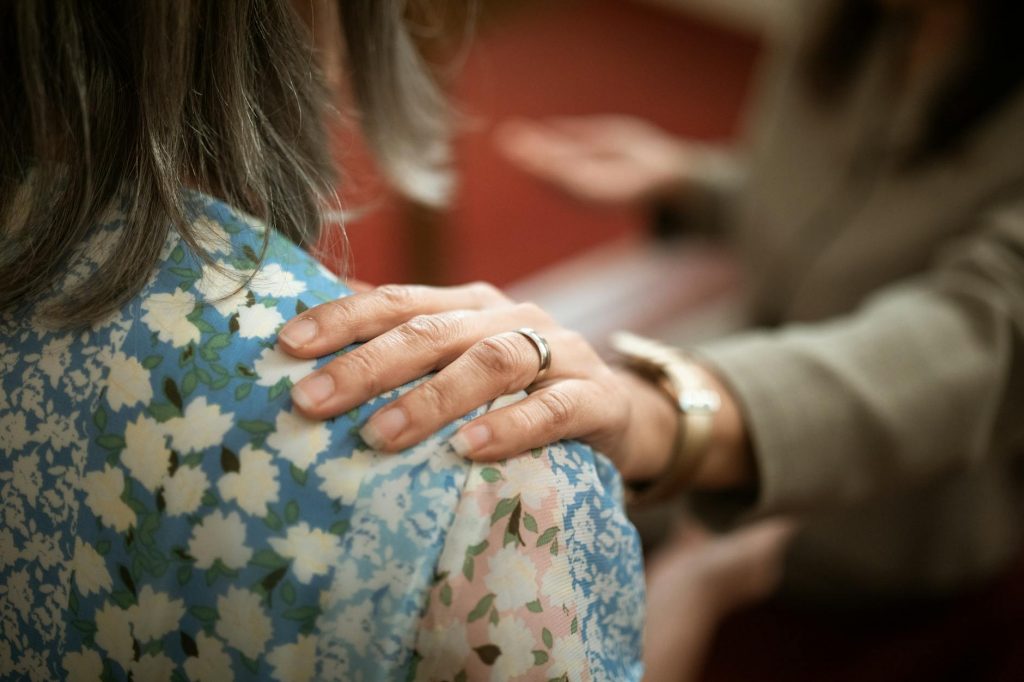
If you feel like you’d like a little more support as you move through this work, you don’t have to do it alone.

I want to understand what I’m feeling

I want to keep exploring gently

I want something to support me along the way
I’d rather not do this alone
Take your time. Explore, look around, there’s no pressure.
Thank you for being here and taking a moment to explore Hellbloom Haven. Your presence is truly appreciated.