

Feeling Overwhelmed? Ground Yourself & Breathe | Hellbloom Haven
Welcome to the Trauma Understanding & Recovery page.
This page serves as the foundation of the Trauma Portal. It offers a clear, grounded framework for understanding what trauma is, how it develops, how it can shape the nervous system, and how recovery may unfold over time.
Other sections of the portal explore specific themes, experiences, and coping patterns in greater depth. This page focuses on orientation. It is designed to provide language, structure, and context without minimizing impact and without labeling survival responses as personal flaws.
Trauma is not defined solely by an event. It is defined by how an experience was processed in the body, how safety was disrupted, and how patterns formed in response. Many of those patterns began as intelligent attempts to cope.
It is also important to recognize that trauma does not look the same for everyone.
The examples and patterns described throughout this portal reflect common experiences and research-supported themes, but they do not represent every possible way trauma can show up. Human nervous systems adapt in many different ways. If your experience does not match the examples described here, that does not mean your experiences are invalid or that trauma did not occur.
Brains and bodies adapt creatively in order to survive difficult environments. Some adaptations are visible and easily recognized. Others are subtle, internal, or expressed in ways that are harder to name.
This portal is meant to offer language and understanding, not to define the limits of what trauma can be.
This content is educational. It is not therapy and it is not a diagnosis. Its purpose is to help make sense of experiences that may feel confusing, overwhelming, or fragmented without turning survival strategies into character flaws.
Wherever you are in your process — questioning, recognizing, grieving, stabilizing, or rebuilding — you are welcome here.
What Is Trauma?
Trauma is not defined only by what happened.
It is shaped by how an experience was processed in the body, whether it overwhelmed your system, exceeded your capacity to cope, or occurred without adequate support.
Trauma can develop from:
• A single overwhelming event
• Repeated experiences over time
• Emotional neglect or chronic invalidation
• Ongoing instability or threat
• Systemic or collective harm
What makes something traumatic is not how dramatic it looked from the outside.
It is whether your nervous system experienced it as unsafe or unmanageable.
Trauma is a nervous system response to overwhelm.
What Trauma Is & What It Isn’t
Bodies respond to experience. Patterns develop for survival.
✔ What It Is
• A disruption of safety that the nervous system could not fully process or resolve. Trauma occurs when an experience overwhelms your capacity to cope, leaving your body responding as if danger is still present.
• A lasting shift in how you move through the world. You may organize your life around avoiding harm, anticipating threat, or preventing emotional exposure.
• Patterns that affect daily functioning. Hypervigilance, shutdown, people-pleasing, avoidance, chronic shame, or over-control may shape relationships, work, identity, and decision-making.
• A change in baseline regulation. Calm may feel unfamiliar, connection may feel unsafe, and neutral situations may trigger protective responses.
• An adaptation to overwhelm. These responses formed to increase survival, even if they now create limitations.
Trauma impacts how you live, not just what happened.
✘ What It Isn’t
• Any painful or difficult experience. Stress, grief, conflict, or hardship can be intense without reorganizing your nervous system long-term.
• A measure of how dramatic something appeared. An event does not need to look extreme from the outside to matter, but not every upsetting event becomes trauma.
• A competition of severity. Trauma is not ranked by comparison to others’ experiences.
• A personality flaw or lack of resilience. Trauma reflects what your system endured, not weakness.
• A permanent identity. Trauma may shape patterns, but it does not define your capacity to heal or build stability.
The distinction is not simply whether something hurt. It is whether your sense of safety, trust, or stability was reorganized in ways that continue to shape your life.
How Trauma Shows Up
Trauma does not only live in memory. It lives in the nervous system. Even when events feel distant or unclear, the body can continue responding as if protection is still required.
You may notice:
• Freezing or shutting down when emotions rise
• Feeling constantly on edge
• Over-apologizing or people-pleasing
• Numbing or disconnecting
• Difficulty trusting others, or yourself
These are not character flaws; they are survival adaptations. When protective responses remain active for long periods of time, they can begin to shape identity, relationships, and overall functioning.
Chronic nervous system dysregulation may also affect mental and physical health, contributing to:
• Anxiety
• Depression
• Panic symptoms
• Sleep disruption
• Digestive issues
• Chronic pain or fatigue
• Stress-related or inflammatory health conditions
This does not mean every illness or mental health condition is caused by trauma. Bodies are complex, and biological, environmental, and genetic factors all influence health. However, long-term stress and unresolved overwhelm can place strain on the nervous system, immune system, and stress-response systems over time.
Sometimes what appears as “just anxiety” or “just depression” may reflect a body that has been protecting itself for a very long time.
Seeking support from licensed medical and mental health professionals is important when addressing physical or psychological symptoms. Trauma education can be part of the picture, but it does not replace appropriate clinical care.
Recovery is not about blaming yourself for symptoms. It is about understanding the patterns underneath them.
The Nervous System & Survival Responses
When we experience threat, the body automatically moves into protective states:
These responses are not conscious decisions. They are biological survival strategies.
If overwhelming experiences repeat, the nervous system can become conditioned to stay in protection mode, even when immediate danger has passed.
Understanding this shifts the question from:
“What’s wrong with me?”
to
“What did my body learn?”
That shift alone can reduce shame.
What Recovery Looks Like
Trauma recovery is not about “getting over it.”
It is about gradually increasing your capacity for safety, connection, and regulation.
Healing may involve:
• Recognizing triggers without judgment
• Learning to regulate emotional intensity
• Setting boundaries
• Restoring trust in yourself
• Processing grief
• Rebuilding identity
Recovery is rarely linear. There may be progress, setbacks, clarity, and confusion.
Steadiness develops over time.
🔎 Explore the Trauma Portal
If you would like to explore specific types of trauma, coping patterns, and recovery pathways, the sections below organize the portal into themes.
Each section provides an overview and links to deeper pages.
You do not need to read everything at once. Many people begin with the section that feels most familiar or relevant to their experiences.
CPTSD & Emotional Neglect
Explores the long-term effects of chronic relational trauma and unmet emotional needs.
→ Explore CPTSD & Emotional Neglect
Childhood & Developmental Trauma
How early environments shape attachment, identity, and nervous system development.
→ Explore Childhood & Developmental Trauma
Relational & Emotional Trauma
Trauma that occurs within close relationships, including emotional abuse, coercive control, and boundary violations.
→ Explore Relational & Emotional Trauma
Coping Patterns & Survival Responses
How people adapt to overwhelming stress through survival strategies like people-pleasing, dissociation, hyper-independence, and perfectionism.
→ Explore Coping Patterns & Survival Responses
Intergenerational & Ancestral Wounds
How trauma patterns can move through families and cultural systems across generations.
→ Explore Intergenerational & Ancestral Wounds
Systemic & Collective Trauma
Trauma shaped by social systems, institutions, discrimination, and collective experiences.
→ Explore Systemic & Collective Trauma
Nervous System Regulation & Safety
Tools and practices that support stabilization and emotional regulation.
→ Explore Nervous System Regulation & Safety
What Healing Looks Like
Understanding the long-term process of trauma recovery and rebuilding safety.
→ Explore What Healing Looks Like
Portal Index and Resources
A collection of tools, practices, and support resources for healing work.
Explore→ Portal Index, Support, & Resources
🔗 Support & Resources
If learning about trauma is bringing up strong emotions, that is understandable. Gaining language for painful experiences can bring clarity, but it can also surface grief, confusion, or memories that were previously pushed aside.
Healing from trauma often becomes easier when support is present. Safe relationships, informed guidance, and consistent care can help the nervous system learn new patterns of safety and regulation.
You do not have to navigate this work alone.
🧠 Trauma-Informed Therapy
Therapeutic approaches that may support trauma recovery include:
• EMDR (Eye Movement Desensitization & Reprocessing)
• Internal Family Systems (IFS)
• Somatic / Nervous System–Focused Therapy
• Trauma-Focused Cognitive Behavioral Therapy
• Sensorimotor Psychotherapy
• Attachment-Based Therapy
• Parts Work & Relational Trauma Therapy
Therapy Directories
Psychology Today
https://www.psychologytoday.com
Open Path Psychotherapy Collective
https://openpathcollective.org
EMDR International Association
https://www.emdria.org
Somatic Experiencing Practitioner Directory
https://directory.traumahealing.org
If outside the U.S., search:
“trauma-informed therapist + your country.”
🚨 Crisis Support
988 Suicide & Crisis Lifeline (U.S.)
Call or text 988
https://988lifeline.org
National Domestic Violence Hotline
1-800-799-7233
https://www.thehotline.org
If you are in immediate danger, contact local emergency services.
🌍 Culturally Responsive Care
• Therapy for Black Girls — https://therapyforblackgirls.com
• Latinx Therapy — https://latinxtherapy.com
• Asian Mental Health Collective — https://www.asianmhc.org
• National Queer & Trans Therapists of Color Network — https://www.nqttcn.com
• StrongHearts Native Helpline — https://strongheartshelpline.org
• Inclusive Therapists — https://www.inclusivetherapists.com
📚 Recommended Reading
The Body Keeps the Score — Bessel van der Kolk
What Happened to You? — Bruce D. Perry & Oprah Winfrey
Complex PTSD: From Surviving to Thriving — Pete Walker
Waking the Tiger — Peter Levine
Trauma and Recovery — Judith Herman
These are independent educational resources that many survivors and clinicians have found helpful. I am not affiliated with the authors and do not receive compensation for sharing them.
✨ Ways I Can Support You
- Peer Support Sessions – “Come As You Are”
A safe, non-clinical space to talk, reflect, and explore what’s surfacing.
→ 60 minutes via Google Meet – $25
→ Book a session - Digital Workbooks & Journals
Tools to support emotional processing, boundary repair, family pattern awareness, and inner child work.
→ Explore my resources - Free Boundaries Workbook
A gentle starting place for learning to say “no,” reclaim your space, and rebuild trust with your body.
→ Download your copy - For Intuitive or Spiritual Support
If you resonate with healing through a more spiritual lens, you can explore my intuitive offerings here.
→ Visit my intuitive services page
These services are supportive in nature and are not a replacement for therapy or licensed mental health care.
💛 A Gentle Reminder
If you are recognizing parts of your story in these pages, that matters.
Many of the patterns discussed throughout this portal began as ways to survive difficult or confusing environments. They were not signs of weakness. They were attempts to create safety, connection, or stability with the tools that were available at the time.
Over time, some survival strategies may begin to feel limiting, exhausting, or out of alignment with the life you want to build.
Awareness is often the first step in changing those patterns.
Understanding what shaped you does not mean you are defined by it. It simply gives you more choice about what you carry forward and what you begin to reshape.
Growth rarely happens all at once. It often unfolds gradually as safety, understanding, and support increase.
You deserve safety.
You deserve understanding.
It is possible to build new patterns over time.
Need Help Finding a Resource That Feels Right for You?
Whether you’re searching for culturally-competent support, trauma-informed spaces in your area, or affordable options, I invite you to reach out.
I’m not a licensed therapist, but I’m a compassionate guide, creative problem-solver, and skilled researcher. I’ll do my best to help you find something that aligns with where you are and honors who you are.
🌿Explore More Topics in the Trauma Portal
Every experience is unique, and trauma can show up in many forms. Click below to explore related topics, each page offers insights, tools, and resources to support your journey.


🌿 Explore Tools & Support
If you feel like you’d like a little more support as you move through this work, you don’t have to do it alone.

I want to understand what I’m feeling

I want to keep exploring gently

I want something to support me along the way
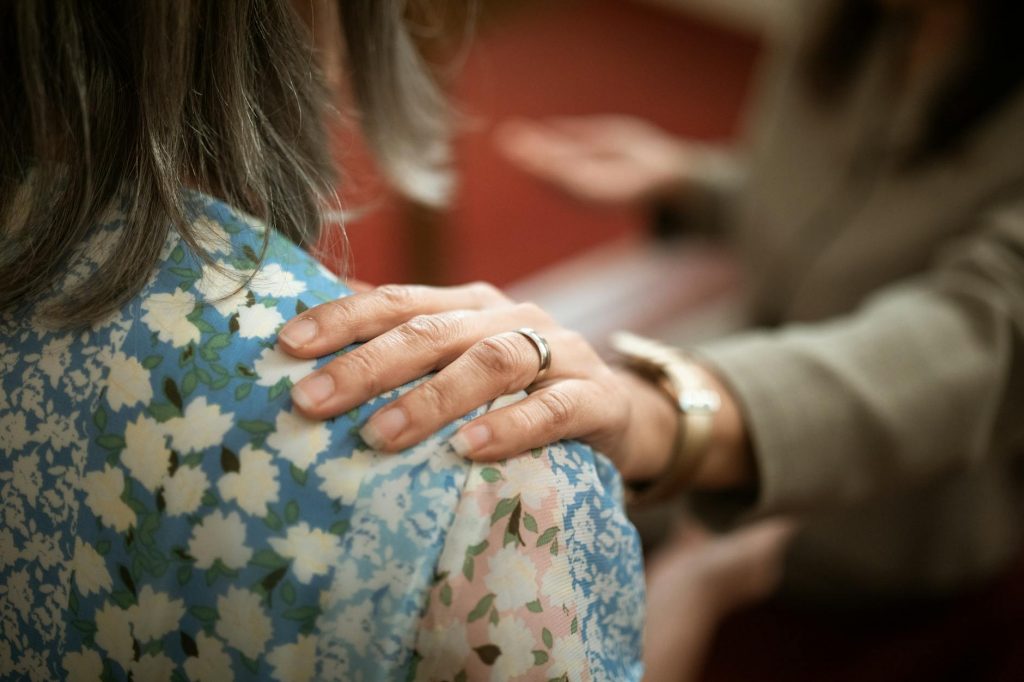
I’d rather not do this alone
Take your time. Explore, look around, there’s no pressure.
Thank you for being here and taking a moment to explore Hellbloom Haven. Your presence is truly appreciated.