Reflective Card Guidance
Feeling Overwhelmed? Ground Yourself & Breathe | Hellbloom Haven
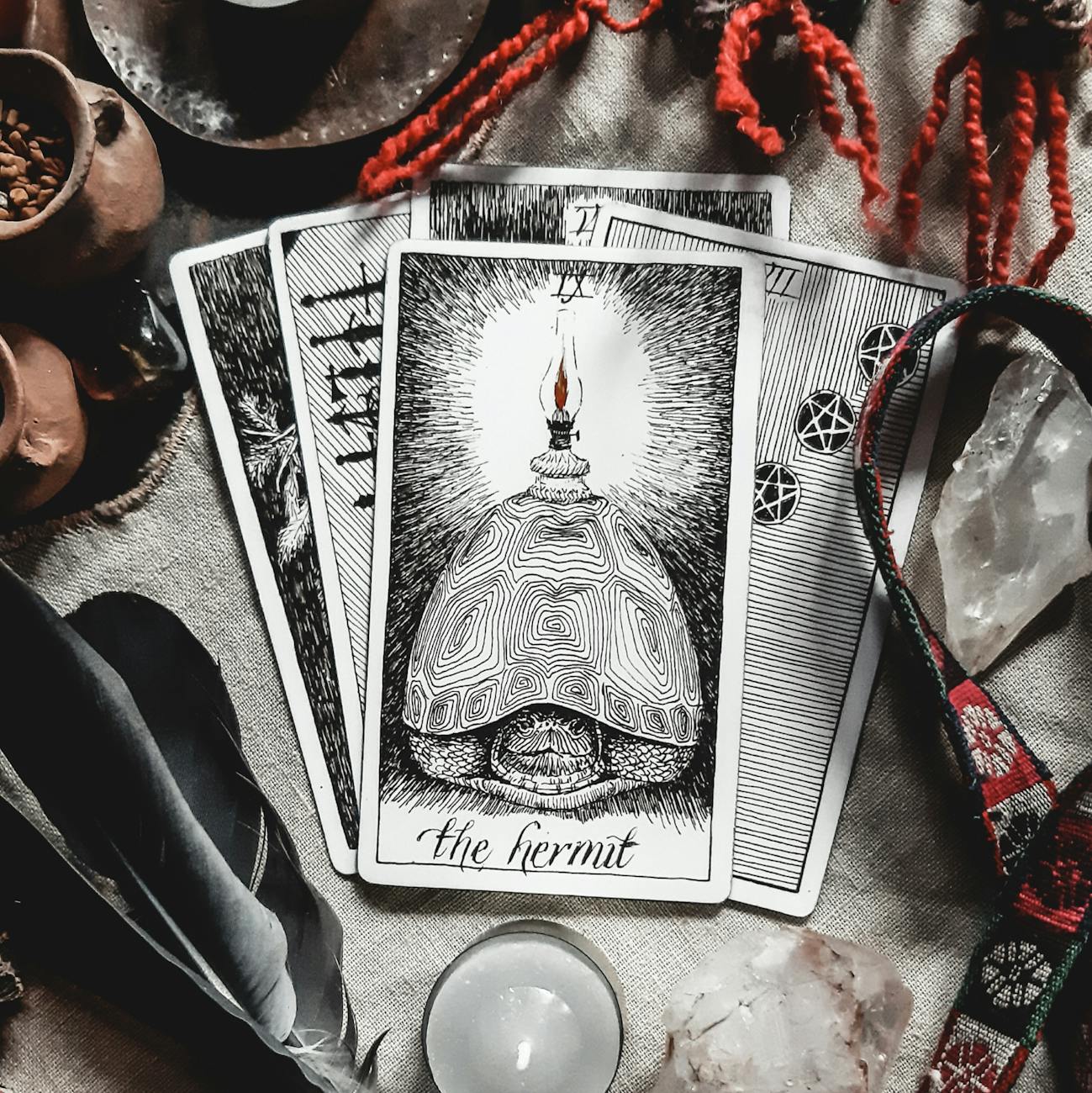
Card-based systems like tarot have been used for centuries as a way to explore meaning, patterns, and internal experience.
While they are often associated with prediction, their most valuable use is reflection. The images, symbols, and archetypes within the cards create a framework that helps bring internal thoughts and patterns into view.
This is not about being told what will happen. It is about understanding what is already present, often in ways that are easier to see when they are reflected back to you.
🌿 What Tarot Represents
A tarot deck is made up of a set of symbolic cards that represent different aspects of human experience.
These symbols are not random. They reflect recurring themes people move through—change, uncertainty, growth, conflict, connection, and transformation.
When you draw a card, you are not receiving an answer. You are being offered a perspective. The meaning comes from how that perspective connects to your current experience.
🌿 The Structure of the Deck
Most tarot decks follow a consistent structure made up of two main parts: the Major Arcana and the Minor Arcana.
🟣 Major Arcana
The Major Arcana represents larger life themes and significant internal or external shifts.
These cards often relate to:
- major transitions
- deeper patterns
- turning points
- personal growth
They tend to reflect experiences that feel more defining or impactful over time.
🟣 Minor Arcana
The Minor Arcana represents more everyday experiences.
These cards reflect:
- thoughts
- emotions
- actions
- practical situations
They show how you are moving through daily life and responding to what is in front of you.
🌿 The Four Suits
Within the Minor Arcana, there are four suits. Each represents a different area of experience.
🟣 Cups (Emotion)
Cups are connected to:
- feelings
- relationships
- intuition
- emotional responses
They reflect how you experience and process emotion.
🟣 Swords (Thought)
Swords are connected to:
- thinking
- beliefs
- communication
- internal dialogue
They often reflect mental patterns, clarity, or conflict.
🟣 Wands (Action)
Wands are connected to:
- energy
- motivation
- direction
- movement
They reflect how you take action and move forward.
🟣 Pentacles (Physical / Practical)
Pentacles are connected to:
- work
- stability
- resources
- the physical world
They reflect how you relate to structure, security, and material life.
🌿 The Meaning of Numbers
Each suit contains numbered cards, and these numbers reflect a progression.
The numbers are not just labels. They represent stages within a process.
For example:
- 1 (Ace) → beginning, potential
- 2 → choice, balance
- 3 → development, growth
- 4 → stability, structure
- 5 → conflict, disruption
- 6 → adjustment, movement forward
- 7 → reflection, reassessment
- 8 → effort, progression
- 9 → nearing completion
- 10 → completion or transition
These patterns repeat across each suit, but the theme changes depending on whether the focus is emotional, mental, active, or practical.
🌿 The Role of Imagery
One of the most unique aspects of tarot is that the structure stays the same, but the imagery changes across different decks.
Different decks interpret the same cards in different ways. The symbolism, tone, and visual style can vary significantly.
This is part of what makes the practice personal.
You may find that certain decks feel clearer, more relatable, or easier to connect with. That connection matters. The more naturally you respond to the imagery, the easier it becomes to reflect on what the card represents.
Finding a deck you are drawn to can make the experience feel more intuitive and less forced.
🌿 How to Use This as Reflection
Instead of asking what a card predicts, it can be more useful to ask what it reflects.
You might consider:
- What stands out in this image?
- What does this remind me of in my current situation?
- What thoughts or feelings come up as I look at it?
- Where does this connect to something I am experiencing?
The goal is not to interpret the card “correctly,” but to notice your response to it.
🌿 Why This Works
It can be difficult to see your own patterns clearly when you are fully inside them.
Symbolic systems create a small amount of distance. They give you something external to respond to, which makes it easier to observe rather than immediately react.
This shift can bring awareness to patterns, perspectives, or emotions that may not have been obvious before.
🌿 A Different Way to Approach It
You do not need to rely on the cards for answers.
They are simply a tool for reflection.
When you approach them this way, the focus shifts from seeking certainty to building awareness. Over time, this can strengthen your ability to understand your own thoughts, responses, and patterns without needing external confirmation.
🌿 Closing
The cards are not there to tell you what will happen. They are there to help you notice what is already present.
When you use them as a reflective tool, they become a way of exploring your experience with more clarity and curiosity. Over time, this can help you recognize patterns, gain perspective, and build a stronger connection with your own internal responses.
For Intuitive Support Check Out My Intuitive Services Page
Explore Your Healing Path
Each section offers a different way to understand yourself more deeply, follow what feels most relevant to you right now.
🌿 Explore Tools & Support
If you feel like you’d like a little more support as you move through this work, you don’t have to do it alone.

I want to understand what I’m feeling

I want to keep exploring gently

I want something to support me along the way
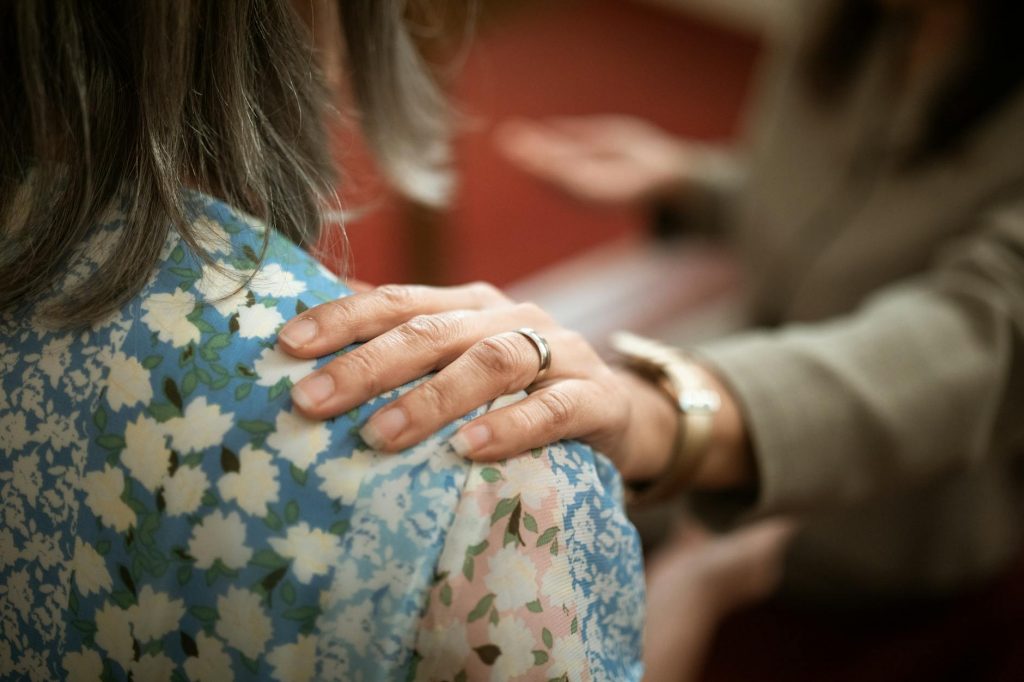
I’d rather not do this alone
Take your time. Explore, look around, there’s no pressure.
Thank you for being here and taking a moment to explore Hellbloom Haven. Your presence is truly appreciated.
-
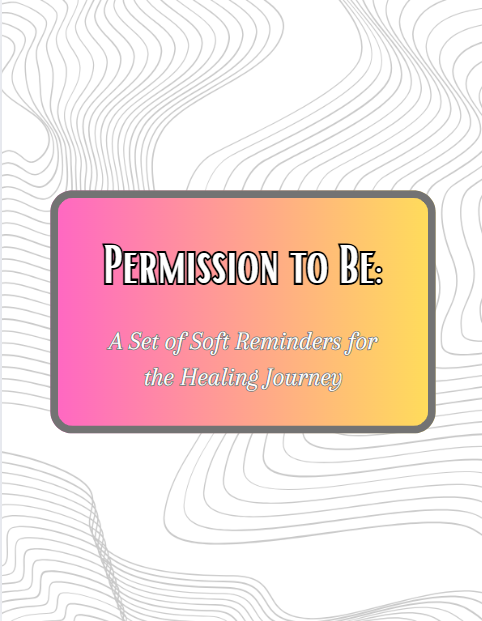
Affirmation Deck-Permission To Be
$7.00 -
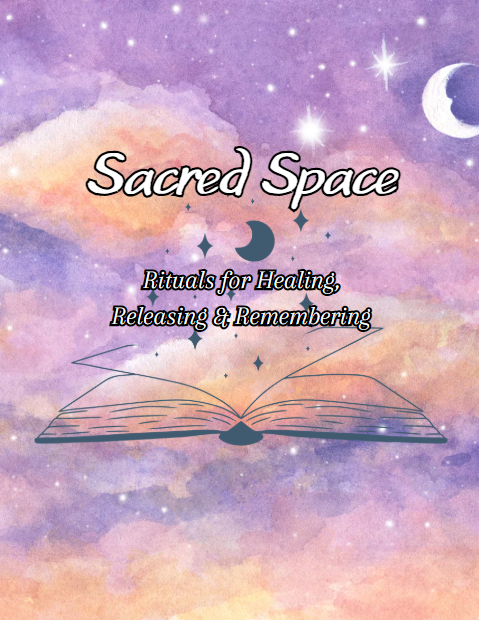
Ritual workbook- Sacred Space For Healing, Releasing, & Remembering
$15.00 -
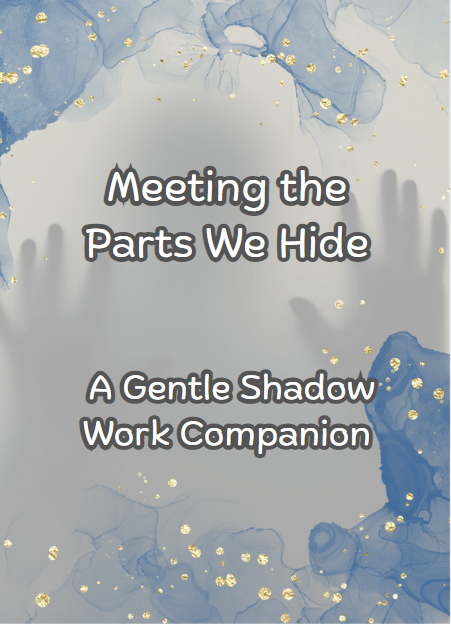
Shadow Work Companion Guide- The parts we hide pdf
$11.00 -
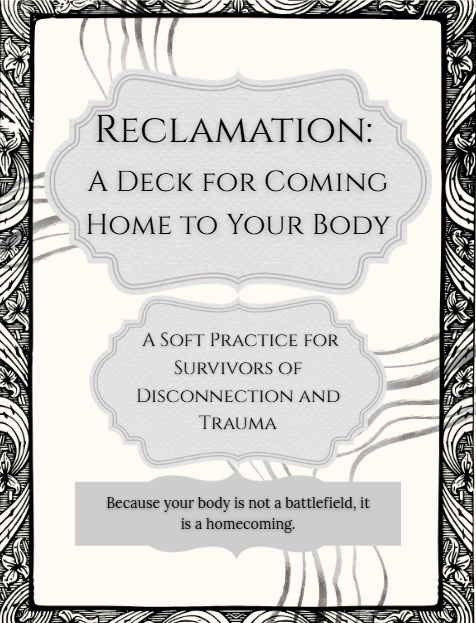
Somatic Healing Cards: Gentle Prompts for Reconnecting with Your Body
$7.00 -
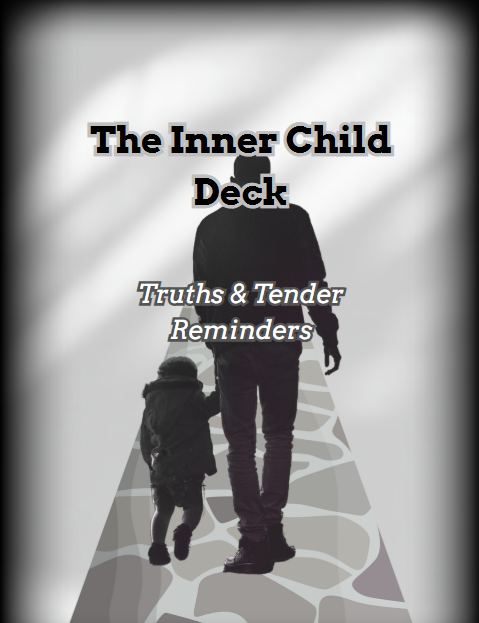
The Inner Child Deck: Truths & Tender Reminders
$7.00
Find My Books On Amazon
(click image for link to product)
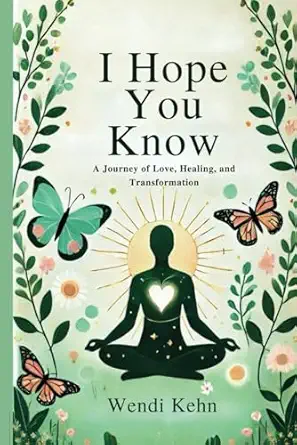
A reflective journey into the stories we grow up believing, I Hope You Know invites you to gently question, unravel, and rewrite the narratives that shaped you. Through insight and encouragement, this book helps you reconnect with your truth, your worth, and the life you’re allowed to create.

Rising Through the Wreckage is a trauma-informed workbook designed to help you actively move through healing. Blending somatic practices, spiritual reflection, and guided exercises, it offers a supportive space to process your experiences, reconnect with your body, and begin rebuilding with clarity and intention.

Breaking the Spell is a trauma-informed workbook designed to help you understand and move through limerence. Through guided prompts, reflection, and practical exercises, it supports you in recognizing patterns, reconnecting with yourself, and gently breaking the emotional cycles that keep you stuck.